
Cricket in Pune sits at an intersection of heritage and hunger. The city’s school leagues still hum on red-soil squares; the balcony railings at Deccan fill with parents who know a good stride-out when they see one; and the corridor talk across Baner, Kharadi, and Pimpri Chinchwad is increasingly about video analysis, bowling machine speeds, and who made the district probables. When families ask me for the best cricket academy in Pune, I never point to a single pin on the map. I point to a match between ambition and environment—coach quality, turf access, daily structure, and a clear pathway into PDCA and MCA cricket. The right academy feels like a kitbag that opens to exactly the gear you need right now and a few tools you’ll grow into.
This definitive guide distills years on the ground—sessions under floodlights in Balewadi, dawn nets in Hadapsar, sweaty one-to-ones on cement lanes in Kothrud, and pressure-cooker match simulations in PCMC—into a simple promise: you’ll know how to find, compare, and join the cricket coaching setup in Pune that fits your child or your personal goals. Whether you’re chasing your first straight drive, sharpening a wrong’un for under-16 trials, or hunting batting coaching with video analysis, the map below is built for you.
What “best” really means in cricket coaching Pune
“Best” is not a single badge; it’s a combination:
- Coaching that connects: Coaches who can communicate why your front shoulder kept opening into cover, who calibrate drills to you, and who know when to let you fail safely because the next rep will make sense.
- Consistent wickets: Turf wickets for match-context learning and matting/cement lanes for volume and groove. Top academies rotate between surfaces intelligently.
- Structured batches: Morning and evening cricket batches in Pune that are predictable and workable around school or work. Attendance tracking and progressive planning matter.
- Facilities that support development: Bowling machines that are maintained and calibrated, video analysis that converts into actionable correction, indoor nets for monsoon months, and physio/strength support that reduces injury.
- Pathway clarity: A roadmap from academy match-days to Pune District Cricket Association (PDCA) selections and Maharashtra Cricket Association (MCA) trials. If you’re under-14, under-16, or under-19, you need to understand registration, club affiliations, and performance tracking.
- Safety and culture: A respectful dressing space, girls’/women’s batches where needed, hydration protocols, and rational workload management—especially for pacers.
- Value for money: Transparent fee structures, trial classes, clear communication about what each package includes, and the option for one-to-one cricket coaching Pune when you need a targeted phase.
Top cricket academies in Pune — area-wise guide
Finding the best cricket academy in Pune starts with your neighborhood and daily commute. Travel time is the silent killer of consistency. Each belt has its own rhythm, facilities, and style. Below is an area-wise view to help you shortlist academies, followed by specific micro-guides like “cricket nets booking Hinjewadi” and “indoor cricket nets Kharadi.”
West Pune: Baner, Aundh, Balewadi, Pashan, Bavdhan, Kothrud, Karve Nagar, Sinhagad Road
- What this belt offers: A healthy mix of turf and matting nets, a strong student crowd from nearby colleges and tech offices, and access to the Shiv Chhatrapati complex at Balewadi. Evening floodlit sessions are increasingly common.
- Who thrives here: Working professionals banking on late sessions, students in Aundh/Baner with flexible evenings, and beginners who need consistent coaching without the long haul across town.
- Watch for: Batch density. Some academies run popular slots that feel crowded. Ask for coach-to-player ratio and how net rotations are managed.
- Locality highlights:
- Best cricket academy in Baner and Aundh: Look for setups that run both turf and matting, with bowling machine sessions you can book separately. “Cricket classes in Pune” queries often surface this belt because of accessibility.
- Kothrud and Karve Nagar: Strong beginner pipelines and weekday morning batches before school. Matting-heavy lanes are common; turf access varies.
- Balewadi and Pashan: Floodlit cricket nets Pune are easier to find here, and the better academies balance fitness with skill sessions rather than stacking both on every single day.
North and PCMC: Wakad, Hinjewadi, Pimple Saudagar, Nigdi, Pimpri Chinchwad, Ravet, Thergaon, Talegaon
- What this belt offers: A sudden boom in quality infrastructure. Turf wicket cricket academy Pune options are increasingly located here, some with dedicated wicket blocks and square maintenance plans. Access to larger grounds for weekend match simulations is a plus.
- Who thrives here: Under-16 and under-19 aspirants who want longer turf stints; bowlers needing load-managed spells; and tech-park parents timing sessions to office shuttles.
- Watch for: Advertising that overpromises “state-level in months.” Ask to see the actual plan: How many turf sessions a week? Who supervises bowling workloads? What is the injury management protocol?
- Locality highlights:
- Cricket coaching in Wakad fees and batches: Expect a range that reflects newer facilities; premium programs cost more but usually include bowling machine credits and video analysis windows.
- Cricket nets booking Hinjewadi and Balewadi link: Corporate cricketers often book nets for weekend knockabouts; advanced players book machine lanes for specific shot-building blocks.
- Thergaon, Ravet, Nigdi: Proximity to larger outfields allows frequent match scenarios—gold for batters learning to pace innings and spinners learning to control run-rate.
East Pune: Kharadi, Viman Nagar, Yerawada, Lohegaon, Vadgaon Sheri, Mundhwa
- What this belt offers: Fast access from IT corridors, indoor cricket nets Pune for monsoon-proof training, and several academies with batting coaching Pune with video analysis baked into higher tiers.
- Who thrives here: Batters needing machine and video time, wicketkeepers targeting footwork and release drills, and beginners who need covered lanes during the rainy spell.
- Watch for: Over-reliance on indoor-only plans. Indoor nets are valuable, but nothing replaces time on turf if you’re competing.
- Locality highlights:
- Indoor cricket nets Kharadi and Viman Nagar: Useful for midweek technical tune-ups and for small-group one-to-ones.
- Yerawada/Vadgaon Sheri/Mundhwa: Central-enough to pull players from multiple directions, often resulting in varied sparring partners—great for open-wicket scenarios.
South and South-East Pune: Hadapsar, Magarpatta, Wanowrie, Kondhwa, NIBM, Wagholi, Camp, Swargate
- What this belt offers: A mature coaching culture with some quietly outstanding coaches focused on fundamentals and match temperament. Weekend cricket coaching Pune is popular with school-goers and working professionals.
- Who thrives here: Players who need a mentor-coach energy and more game-day simulation, plus families looking for girls-only batches.
- Watch for: Matting-only academies advertising “turf-ready” programs. If turf sessions are promised, confirm frequency and location.
- Locality highlights:
- Women’s cricket coaching Hadapsar and Magarpatta: Convenient timings after school, and mixed-skill development that adds power-hitting and seam-facing practice without shortcuts on basics.
- Kondhwa, Wanowrie, NIBM: Balanced programs that often include sports nutrition for cricketers Pune and mobility work, which keeps young fast bowlers on the park.
PCMC and outlying nodes: Pimpri Chinchwad at large, Talegaon
- What this belt offers: Bigger grounds, more sun on turf, and occasionally, academies that run hostel-style accommodation. If you’re hunting a cricket academy with hostel Pune, this is often where you’ll find options, particularly near larger grounds and educational campuses.
- Who thrives here: Serious aspirants who want long-format practice, batters targeting red-ball skills on natural bounce, and quicks who need run-up space and spell planning.
Fees and batch timings — what to expect
Fee structures vary by location, facilities, and program depth. Use the following as realistic brackets to benchmark offers. Always ask what’s included: video sessions, bowling machine credits, physio screens, and match fees can change the picture.
Typical cricket coaching Pune fees (INR)
- Beginners group (U10–U12), 3 sessions/week: 2,000–4,000 per month
- Intermediate group (U13–U16), 4–5 sessions/week: 3,000–6,500 per month
- Advanced group/high-performance (U16–U19 and seniors), 5–6 sessions/week with S&C and video: 6,000–12,000 per month
- One-to-one cricket coaching Pune (60–90 minutes): 900–2,500 per session
- Bowling machine cricket nets Pune (per lane, 45–60 minutes): 600–1,500
- Cricket nets booking Pune (non-machine, per lane, 60 minutes): 400–900
- Indoor cricket nets Pune (per lane, 60 minutes): 700–1,500
- Summer cricket camp Pune (2–4 weeks): 5,000–15,000
- Diwali vacation cricket camp Pune (7–12 days): 3,000–9,000
- Winter cricket camp Pune (2–3 weeks): 5,000–12,000
- Residential/hostel program (if available, per month incl. lodging/meals/coaching): 30,000–80,000
Batch timings that work around Pune’s heat and commute
- Morning batches: 6:00–8:00 or 6:30–8:30. Ideal for school-going players and serious aspirants needing cooler conditions for intense drills. Good for fast bowlers to bowl their heavy spells.
- Evening batches: 4:30–6:30 or 5:00–7:00; premium floodlit setups may run 7:00–9:00. Suits working professionals and college-goers. Fielding volumes are often higher in evening due to cooler breezes; bowling intensity may be moderated.
- Weekend cricket coaching Pune: Double sessions (AM/PM) or match simulations. Useful for those who can’t make weekday slots.
Sample batch structure (group program)
- Warm-up and mobility: 10–15 minutes, with sprint drills twice a week.
- Skill block 1: Batting against machine or throwdowns/bowling; bowlers do new-ball spells.
- Skill block 2: Situational practice—death overs, powerplay batting, rotating strike against spin.
- Fielding/catching: High-intensity 15–20 minutes; wicketkeepers get dedicated glovework twice a week.
- S&C finisher: Core strength and posterior-chain focus; fast bowlers get a customized set.
Facilities and coaching staff — how to read between the lines
The heart of “professional cricket coaching Pune” is not a big logo; it’s how the program turns minutes into progress. Facilities matter, but how they’re used matters more.
Turf vs matting wickets
- Turf wickets teach decision-making: bounce variability, seam movement, and wear. A turf wicket cricket academy Pune should rotate between fresh and used strips to teach you to read the surface.
- Matting/cement lanes allow repetition and rhythmic work. Useful for beginners building straight lines and batters working specific strokes. The best cricket academy in Pune will mix these through the week.
Bowling machines
- Great for patterning shots, grooving release points, and vision training. Machines must be serviced; bad feeds ruin shape. Ask for protocols: warm-up speed, progression, and constraints (cones, targets).
- Bowling machine cricket nets Pune should never replace live-bowling entirely. Hybrid plans work: one machine session + two live-bowling hits weekly in season.
Video analysis cricket coaching Pune
- Video is only as good as feedback. Look for slow-motion angles (front-on and side-on), synced voice notes, and drills assigned to fix the exact fault. “Your bat face is closing through impact” must become “two bottom-hand controls + stump-cover-drive gates, three weeks.”
Indoor cricket nets Pune
- Covered lanes are crucial through rains and for technical micro-skills. Ideal for wicket-keeping footwork grids, spin release reps, and batting against machine/sidearm at specific speeds.
- Balance indoor with at least one turf outing each week if you’re in competitive age groups.
Strength, conditioning, physio
- Fitness and conditioning for cricketers Pune should be role-specific. Fast bowlers need posterior-chain work, landing stability, and Nordics; spinners need shoulder/scap stability and hip mobility; batters need rotational strength and deceleration control.
- Ask if there’s a qualified physio on call, baseline screening at admission, and return-to-bowl/run protocols after niggles.
Coaching pedigree and continuity
- Coach bios matter less than coach contact time. A former first-class player who floats through once a week is less valuable than a Level-2 coach who builds you daily. The best cricket coaching academy Pune blends lead mentors with specialized assistants for pace, spin, wicket-keeping, and batting.
Facilities snapshot by area cluster (typical availability)
- Baner/Aundh/Balewadi/Pashan: Turf and matting mix; floodlights common; machine/video in select academies; decent indoor access near Balewadi.
- Kothrud/Karve Nagar/Sinhagad Road: Matting-heavy with turf tie-ups; machine in advanced tiers; tight commute windows suit disciplined planners.
- Wakad/Hinjewadi/Pimple Saudagar/PCMC: Turf blocks more common; floodlit nets; machine/video standard in premium programs; larger grounds for match play.
- Kharadi/Viman Nagar/Yerawada: Indoor nets in abundance; machine/video frequent; turf via partner grounds; strong weekday evening culture.
- Hadapsar/Magarpatta/Wanowrie/Kondhwa/NIBM: Balanced setups; strong coaching depth; turf via club tie-ups; positive environment for girls’ programs.
Programs for every level: beginners, intermediate, advanced
Cricket coaching for beginners Pune
- Focus: Stance, grip, balance, front-arm discipline for bowlers, simple routines for wicketkeepers. Think of it as building your “default” under stress.
- Format: Small-group classes, simple targets, consistent feedback. Matting lanes are fine at this stage; one turf session weekly is a bonus.
Intermediate and advanced cricket coaching Pune
- Focus: Shot selection, game plans, new-ball vs old-ball batting, death bowling, powerplay fields, playing spin with soft hands, and role clarity in T20 and longer formats.
- Format: Mixed-surface plan, weekly video feedback for batting and spin release, machine sessions for specific gaps (e.g., on-shoulder short ball, yorker length).
- Competitive prep: Open-wicket scenarios with live scoreboard, required run rates, and defined roles. Bowlers work on spells, not just balls.
One-to-one cricket coaching Pune
- When it helps: Technical plateaus; players switching stance/guard; left-arm pace coaching Pune requiring landing pattern correction; wicket-keeping coaching Pune to fix footwork and head alignment; spin bowling coaching Pune to stabilize non-bowling arm and pace through the air.
- Best practice: Structured blocks of 4–6 sessions with a defined aim, then reintegration into group nets to test under pressure.
Girls’ batches and women’s cricket coaching Pune
Women’s cricket is not catching up—it’s setting standards. The best cricket academy in Pune will build girls-only batches or integrate mixed groups with role-specific focus, depending on comfort and goals. Look for:
- Dedicated girls’ slots in the calendar, with female coaches or a clear safeguarding policy.
- Power-hitting modules adjusted for bat pick-up and bat speed—not “shortened” drills.
- Bowling machine credits to practice short-ball control and range expansion over cover and midwicket.
- Clear pathway to women’s cricket academy Pune admissions for district-level opportunities.
Area highlights
- Women’s cricket coaching Hadapsar and Magarpatta: Strong school-to-academy pipeline; watch for weekday evening batches.
- Kharadi and Viman Nagar: Indoor nets allow consistent work even during weather disruptions.
- PCMC belt: Larger grounds enable confident outfield catching work and situational batting.
Trials and the pathway to PDCA/MCA selections
This is where families need a straight map. Pune District Cricket Association (PDCA) oversees district cricket; Maharashtra Cricket Association (MCA) governs state selections. Here’s what matters if you’re aiming for under-14 cricket academy Pune milestones or under-16/under-19 pathways.
Registration and club linkage
- You typically need to be registered through a recognized club or academy that enters official leagues and can submit your name for age-group consideration.
- Documentation for age verification must be precise. Keep your birth certificate, school ID, and residence proofs updated; associations are strict on age compliance.
Performance pipeline
- League matches matter. Coaches with PDCA/MCA experience know which tournaments serve as reliable performance signals.
- Consistent run-scoring or wicket-taking counts more than one purple-patch week. Track your stats—your academy should help you maintain match logs.
Trials calendar and readiness
- Trials are announced by associations via notices and verified networks. When in doubt, ask your head coach for the latest.
- Fitness standards are non-negotiable. Pacers must show controlled spells without overshooting workloads; batters should demonstrate clear plans against both seam and spin; keepers must be sharp with takes and footwork; spinners need control and brave fields.
Skill benchmarks by role
- Batter: Trigger movement consistency, scoring options 360° without slogging, rotation against spin, death overs plan.
- Fast bowler: Repeatable action, yorker control, hard length plan, pace variation, and calm body language.
- Spinner: Repeatable release, drift/shape, pace through air, field plans for right-handers and left-handers.
- Wicketkeeper: Footwork across the stumps, clean hands standing up, voice and field leadership.
Academy’s role
- Mock trials with panel assessment, not just in-house coaches.
- Video libraries of your best spells/innings for review.
- Honest feedback if you’re not ready, and a phased plan to get you there.
How to choose the right cricket coaching academy in Pune
Travel time trumps promises. After that, use this lens to evaluate your shortlist:
- Coaches and curriculum
- Do coaches explain the why behind each drill?
- Is there a weekly plan visible, not just “come and hit”?
- Are assistant coaches empowered, or does everything bottleneck under one person?
- Surfaces and sessions
- How many turf sessions per week?
- What’s the machine-to-live-bowling ratio for batters?
- Are pacers’ workloads tracked?
- Feedback loop
- Do you get periodic assessments?
- Does video analysis produce targeted drills, or is it just playback?
- Culture and safety
- Are girls’/women’s batches secure and well-managed?
- Are helmets, guards, and hydration enforced?
- Are net lanes supervised to avoid dangerous cross-traffic?
- Fees and value
- Are machine sessions, video, physio consults, and match fees included or separate?
- Are trial classes available before you commit?
- Any discounts for siblings or quarterly payments?
- Pathway credibility
- Does the academy have recent examples of district probables or state call-ups?
- More importantly, can they articulate exactly how they prepared those players?
Gear checklist and first week prep
You don’t need to buy the store. Start smart, upgrade when it makes sense.
- Bat: Pick a pickup you can control late into sessions, not the heaviest piece you can just lift. For younger players, balance over brand.
- Helmet: Decent grille spacing, snug fit. Never compromise.
- Gloves and pads: Fit matters; slipping pads cost runs and confidence.
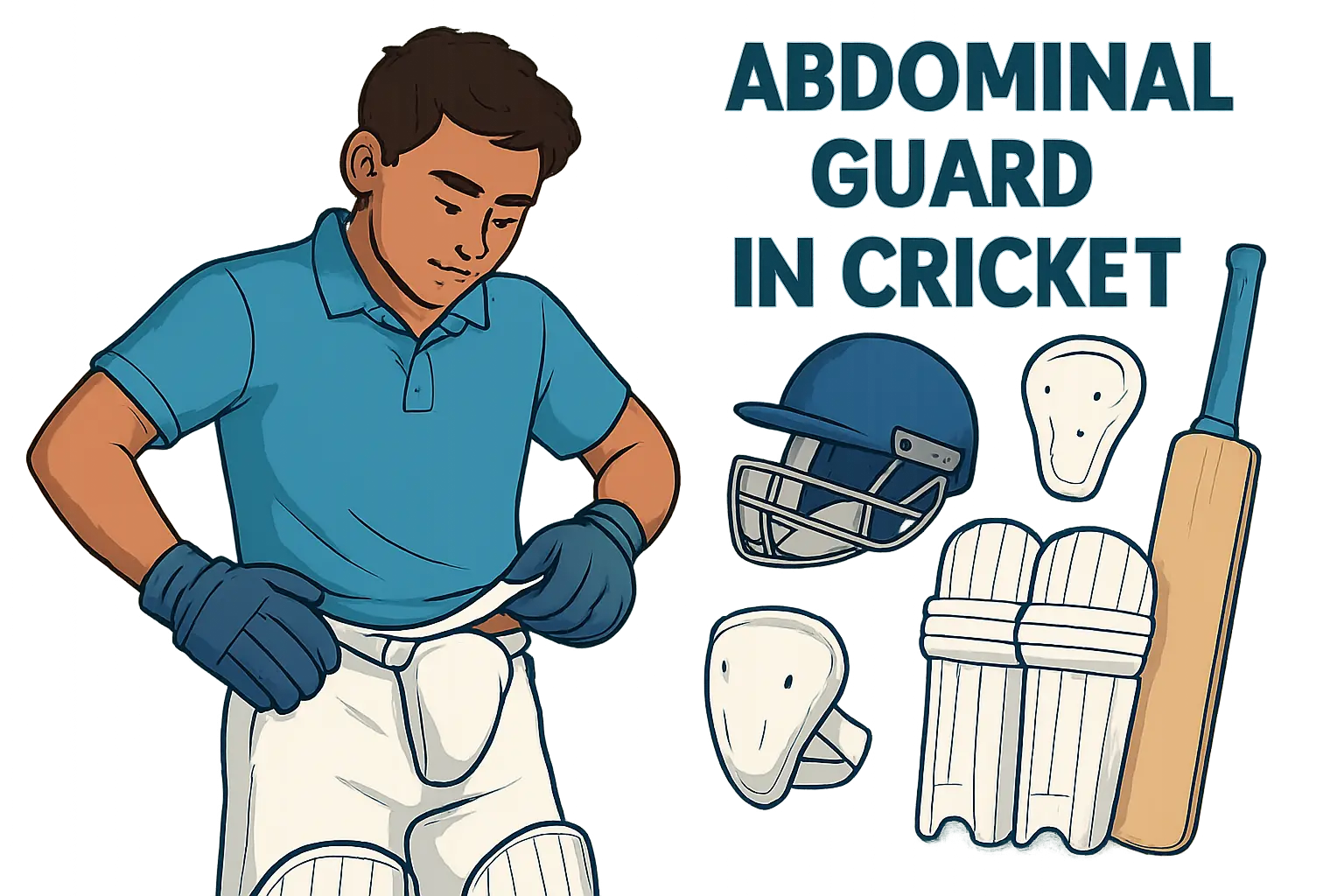
- Abdominal guard and thigh guard: Non-negotiable.
- Spikes or rubber soles: Turf demands spikes; rubber soles on matting/cement.
- Ball-specific kit: If you’re bowling left-arm pace, a clean landing area and studs that don’t skid are essential.
- Keepers: Inner gloves and lightweight pads; consult your coach on webbing legality and glove size.
- Hydration: Two bottles—water and electrolyte. Pune heat punishes the unprepared.
- Notebook or phone notes: Track cues: “Head still through impact,” “Front arm higher,” “Wrist behind seam.”
Sample twelve-month plan: beginner to district-ready
Month 1–3: Foundation
- Batting: Grip, stance, alignment; straight-bat drills; 200 throwdowns/session with targets.
- Bowling: Action capture, balance drills, non-bowling arm usage.
- Fielding: Footwork into throw, underarm accuracy, high-ball technique.
- Fitness: Mobility, core strength twice a week.
Month 4–6: Skills expansion
- Batting: Introduce machine work at moderate speeds; sweep/lap only after solid basics.
- Bowling: Length discipline; build a second stock ball (e.g., cross-seam for pacers, arm ball for finger spinners).
- Fielding: Slip cordon practice, direct-hit competitions.
- Fitness: Start hamstring strength blocks; landing mechanics for pacers.
Month 7–9: Match intelligence
- Batting: Scenario nets—chasing run-a-ball, powerplay constraints.
- Bowling: Death overs plans; slower-ball variants; spin tempo changes.
- Fielding: Boundary catches, relay throws.
- Fitness: Short sprints, deceleration drills; recovery protocols.
Month 10–12: Trials sharpening
- Batting: Machine at trial speeds; attacking spin with safe percentages; “first ten balls” plans.
- Bowling: Spell management; yorker percentage; field setting rehearsals.
- Mental: Pre-ball routines; breathing; role clarity.
- Admin: Documentation in order; mock trials with external evaluators.
Micro-guides by location and intent
Best cricket academy in Baner and Aundh
- Key features to seek: Floodlit lanes for evening batches, machine + video integration, balanced turf/matting time.
- Who it suits: Students and professionals needing reliable evening windows and quick commute.
Cricket coaching in Wakad fees and batches
Expect higher fees if turf lanes and video analysis are included weekly. If a plan looks cheap but includes only matting with crowded nets, factor the hidden cost of slower progress.
Cricket nets booking Hinjewadi
Great for corporate teams and serious aspirants who want extra reps. Book during off-peak hours to ensure decent lane time; ask for sidearm specialist availability to mimic bowling types you’ll face in trials.
Indoor cricket nets Kharadi and Viman Nagar
Ideal for targeted drills: back-foot play against 120–130 kph machine feeds, keepers’ standing-up work to medium pace, and spin release patterning. Ensure air circulation and proper mat grip for spikes or use rubber soles.
Women’s cricket coaching Hadapsar and Magarpatta
Look for a coach who can bridge technique and game courage. Power skills for lofted drives, spin reading drills, and short-ball planning should all sit on a foundation of “see-ball, trust movement.” Admissions for women’s cricket academy Pune often open ahead of seasonal camps; keep an eye on demo session announcements.
PCMC belt: Pimpri Chinchwad, Pimple Saudagar, Nigdi, Ravet, Thergaon
This corridor increasingly hosts match-ready setups. Batsmen benefit from sighting balls under open sky; bowlers get proper run-ups and space to build rhythm. If you’re eyeing under-19 cricket coaching Pune that emphasizes red-ball habits alongside white-ball smarts, you’ll find fertile ground here.
South-Central Pune: Camp, Swargate, Kondhwa, Wanowrie, NIBM
Older coaching traditions blend with modern tools. If your personality thrives under mentor-style guidance—firm, transparent, invested—shortlist here. Families often prefer the balanced approach that respects academics and sport without sugarcoating either.
Specializations to look for
- Left-arm pace coaching Pune: Landing foot alignment and chest position are common fix points; a good coach will address run-up rhythm, angle across right-handers, and inswing grip tweaks.
- Wicket-keeping coaching Pune: Footwork first—take, then glory. Look for reaction drills, glove softening heat work, and standing-up technique against medium pace and spin.
- Spin bowling coaching Pune: The difference between “turning the ball” and “beating the bat” is often pace through the air and release consistency. Demand drills with targets and video feedback.
- Batting coaching Pune with video analysis: Two angles mandatory. Expect slow-motion breakdowns, checklists for the week, and cue words you can repeat to stabilize mechanics under pressure.
Success stories that ring true
I remember a teenage leggie from Pimple Saudagar—Rohan—with a lively wrong’un but a habit of floating his stock delivery too slow. He was being hit off length by any batter who waited on him. We ran a four-week block: 60 percent of his nets were on turf, not matting, because we wanted to introduce honest feedback from the wicket. We cut his run-up by one stride, worked his non-bowling arm to stay active longer, and introduced a “chasing the batter’s back hip” cue to add pace through the air. Video showed his release height stabilizing, his speed up two clicks, and suddenly batters were late on his stock ball. His wrong’un was no longer his only weapon; it became the surprise again. He went from surviving powerplays to owning them.
And Anaya, a top-order batter from Hadapsar: classic front-foot player, stunning on the drive, but strangled by spin in the middle overs. We used indoor nets at Kharadi for 10-minute micro-sessions: soft hands to short leg, three-run patterns (drop-and-run to square leg), and a sweep she could trust. On turf weekends, we set 45-run chases with a “no lofts till 25” rule. Within a month, her dots shrank; her coach stacked her into the top order with confidence. Scorecards don’t lie.
Cricket academy Pune admission: how to approach trials and demo classes
- Use trial classes to test the environment. Arrive early, watch a batch before yours. Are coaches engaged? Are corrections specific? Is safety enforced?
- Ask to see a weekly plan. If they can’t show you targets, they’re winging it.
- For “cricket academy near me Pune open now” searches, confirm that open slots align with your life. A great coach at an impossible hour is a bad fit.
Marathi and Hindi quick notes for local families
Marathi: पुण्यातील सर्वोत्तम क्रिकेट अकॅडमी शोधताना प्रशिक्षकांची गुणवत्ता, टर्फ/मॅटिंग विकेट्स, व्हिडिओ अॅनालिसिस, आणि मुलांच्या वयाप्रमाणे बॅचेस यावर लक्ष द्या. फीमध्ये कोणत्या सुविधा समाविष्ट आहेत हे स्पष्ट विचारा.
Hindi: पुणे की बेस्ट क्रिकेट अकादमी चुनते समय कोच का ध्यान, टर्फ बनाम मैटिंग, वीडियो एनालिसिस, और बैच टाइमिंग्स को देखें। फीस में बॉलिंग मशीन/मैच फीस शामिल हैं या अलग—यह पहले ही साफ कर लें.
Seasonal programs to plan for
- Summer cricket camp Pune: The big accelerator—volume training, daytime match simulations, and detailed technical rebuilds. Great time to add video analysis blocks.
- Diwali vacation cricket camp Pune: Short, intense refreshers; perfect for batters to rebuild rhythm mid-term and for bowlers to fine-tune slower balls.
- Winter cricket camp Pune: Fielding and red-ball habits come to the fore; batters learn patience, bowlers learn spells.
For families traveling in: cricket academy with hostel Pune
- Evaluate not just the dorm and food but the weekly load structure, study support (if a student), and medical oversight. Residential programs should feature individualized plans—otherwise you’re paying to be part of a crowd.
- Ensure there’s a real rest day. Overtraining is the fastest route to watching cricket rather than playing it.
Fees and batch comparison at a glance
| Program type | Typical frequency | What’s included | Pune fee range (INR) |
|---|---|---|---|
| Beginners group (U10–U12) | 3 sessions/week | Basic skills, matting focus, intro fielding | 2,000–4,000/month |
| Intermediate (U13–U16) | 4–5 sessions/week | Mixed surfaces, role-specific drills, fielding | 3,000–6,500/month |
| Advanced/High-performance | 5–6 sessions/week | Turf priority, video, S&C, machine credits | 6,000–12,000/month |
| One-to-one | By booking | Targeted technical block | 900–2,500/session |
| Nets booking (no machine) | By hour | Lane + balls, coach oversight optional | 400–900/hour |
| Bowling machine lane | By hour | Calibrated feeds + sidearm | 600–1,500/hour |
| Indoor nets | By hour | Weather-proof technical work | 700–1,500/hour |
| Camps (summer/Diwali/winter) | Seasonal | Condensed training, match sim | 3,000–15,000 |
| Residential/hostel | Monthly | Coaching + stay + meals | 30,000–80,000 |
A note on weekday vs weekend cricket coaching
- Weekday advantage: Higher repetition; your body learns to show up daily.
- Weekend advantage: Longer blocks and match scenarios.
- Best blend: Three weekdays + a weekend scenario/match when in season.
How to compare two academies fairly
- Time-on-task: Count actual minutes you bat/bowl per session. If you’re a batter touching 30–40 balls total across two hours, that’s thin.
- Surfaces balance: Turf promised vs turf delivered. Keep a simple weekly log.
- Coach touchpoints: Are you getting concrete cues? “Keep your head still” is less valuable than “soften your bottom hand at contact on the on-drive.”
- Progress diary: If you can’t see measurable change across six weeks, ask why. Sometimes the answer is patience; sometimes it’s a plan tweak; sometimes it’s switching academies.
What a top session feels like on the ground
You arrive ten minutes early and the lanes are already coned. The coach knows you’re working on playing late to seam movement, so your first block is on turf with a slightly leaned roller to wake the wicket. Bowlers start in pairs, short spells; the assistant clerk keeps count. When it’s your turn, feeds rise from 110 to 120 to 125 kph equivalent on the machine, then you switch to live bowling with a new-ball brief: “First ten, no flash on fourth-stump.” Your front arm is checked on video in slow-mo; you get a cue word—“stack”—to keep head over off-stump. In fielding, you do boundary catches with relays, then wicket-to-wicket throws. You leave with one homework drill, one cue, one note to fix. That’s professional cricket coaching Pune—purpose inside repetition.
FAQs: best cricket academy Pune fees, admissions, facilities, and more
What are typical cricket coaching fees in Pune?
Group coaching ranges roughly from 2,000 to 12,000 INR per month depending on level, facilities, and inclusions. One-to-one sessions are usually 900–2,500 INR each. Bowling machine and indoor nets are often billed by the hour. Always confirm what’s bundled.
Do academies offer trial classes or demo sessions?
Most reputable academies offer at least one trial class. Use it to evaluate coach attention, safety, and rotation management. Ask to observe another batch too.
Which age groups can enroll?
Common intakes begin at U10–U12 for foundational skills, then U14 and U16 streams with increasing intensity. Adult and under-19 cricket coaching Pune programs often run in evening slots.
Do you provide one-on-one coaching?
Quality academies do, particularly for technical rebuilds or role-specific goals (e.g., left-arm pace coaching Pune, wicket-keeping coaching Pune, spin bowling coaching Pune).
Do you have turf wickets or indoor nets?
The best cricket academy in Pune will mix both. Indoor cricket nets Pune keep training consistent during rain; turf teaches decision-making and real bounce. Verify the weekly split.
Are there weekend or early-morning batches?
Yes. Morning/evening cricket batches Pune are common. Early mornings suit school schedules and high-intensity bowling; evenings work for professionals and students. Weekends often feature match simulations.
Do you help with district/state selection trials?
Strong academies do. They’ll run mock trials, guide documentation, and track performance against PDCA/MCA expectations. Beware of guaranteed-selection claims—no one can promise that.
Do Pune academies offer girls-only batches?
Increasingly, yes. Women’s cricket academy Pune admissions may be tied to specific seasons, but many academies run year-round girls’ groups or mixed settings with safeguards.
What gear do I need to start cricket coaching?
Helmet, gloves, pads, thigh guard, abdominal guard, appropriate shoes (spikes for turf), and a bat you can control. Keepers add inner gloves and keepers’ pads. Hydration is essential.
Which is better for beginners: turf or matting wickets?
Matting simplifies the bounce, helping beginners build a repeatable base. As players progress, turf becomes crucial. The right program uses both in stages.
How do I find a cricket academy near me Pune open now?
Check Google Business Profiles for “cricket academy near me Pune open now,” then verify live slot availability with a call or WhatsApp. Ask about batch density and coach-to-player ratio.
Cricket coaching for different ambitions
- For the casual yet committed adult: Choose evening or weekend plans with strong net management and machine access. Work on simple goals—strike rotation, one signature shot against pace, competent seam-up bowling, or clean glove-work.
- For the under-14 hopeful: Foundations first. Twice-weekly matting reps, at least one turf session, and gentle fielding progressions. Avoid chasing swing at the cost of seam position if you bowl; avoid slogging at the cost of shape if you bat.
- For the under-16 / under-19 aspirant: Spike your week with scenario nets and mental plans. Keep a journal. Ask your coach to build a trial-specific calendar. Fitness can’t be an afterthought.
- For the specialist: If you’re a left-arm quick or a leg-spinner, you need eyes that know your lines. Demand specialist sessions every fortnight in addition to group work.
What parents should watch from the boundary
- Coaches speaking in verbs, not just adjectives. “Close,” “balance,” “stack,” “stay tall,” “through the line.”
- Players being corrected kindly but firmly. Improvement rarely happens without precision and accountability.
- Rotation fairness. If your child barely bats or bowls in nets consistently, raise it respectfully.
- Workload tracking. Especially for young quicks—counted balls, not just time.
Red flags to avoid
- Crowded lanes with unsupervised cross-throws.
- Branding promises without weekly structure.
- One-size-fits-all fitness that leaves bowlers sore for three days.
- Machine sessions where speeds jump randomly with no cue or progression.
- “Guaranteed selection” pitches.
Why Pune is a quiet powerhouse for development
Pune’s cricket culture is steady, not flashy. Coaches here have a habit of building players who understand conditions: how to ride a skiddy matting wicket on a cool evening in Aundh, or how to survive a two-paced turf in Ravet before cashing in against the fifth bowler. The pathways into PDCA and MCA cricket are real, if you’re consistent and surrounded by a plan. And access to both indoor nets and true turf within short drives means you can build skills across the full spectrum of the game.
If you’re trying to join cricket academy in Pune with a clear picture in mind, here’s the essence:
- Define your north star (fun, fitness, district, state).
- Shortlist by area (cut commute).
- Check surfaces, coaching contact time, and feedback loops.
- Align fees with value, not just headline numbers.
- Ask for a trial. Feel the session, not just the brochure.
Pune rewards the ones who show up, sweat with purpose, and keep learning. The best cricket academy Pune isn’t a single address; it’s your daily training ground with the right people, the right cues, and the right wickets under your feet. Book a trial, carry your water, and bring a notebook. Good habits win more matches than good hashtags.