
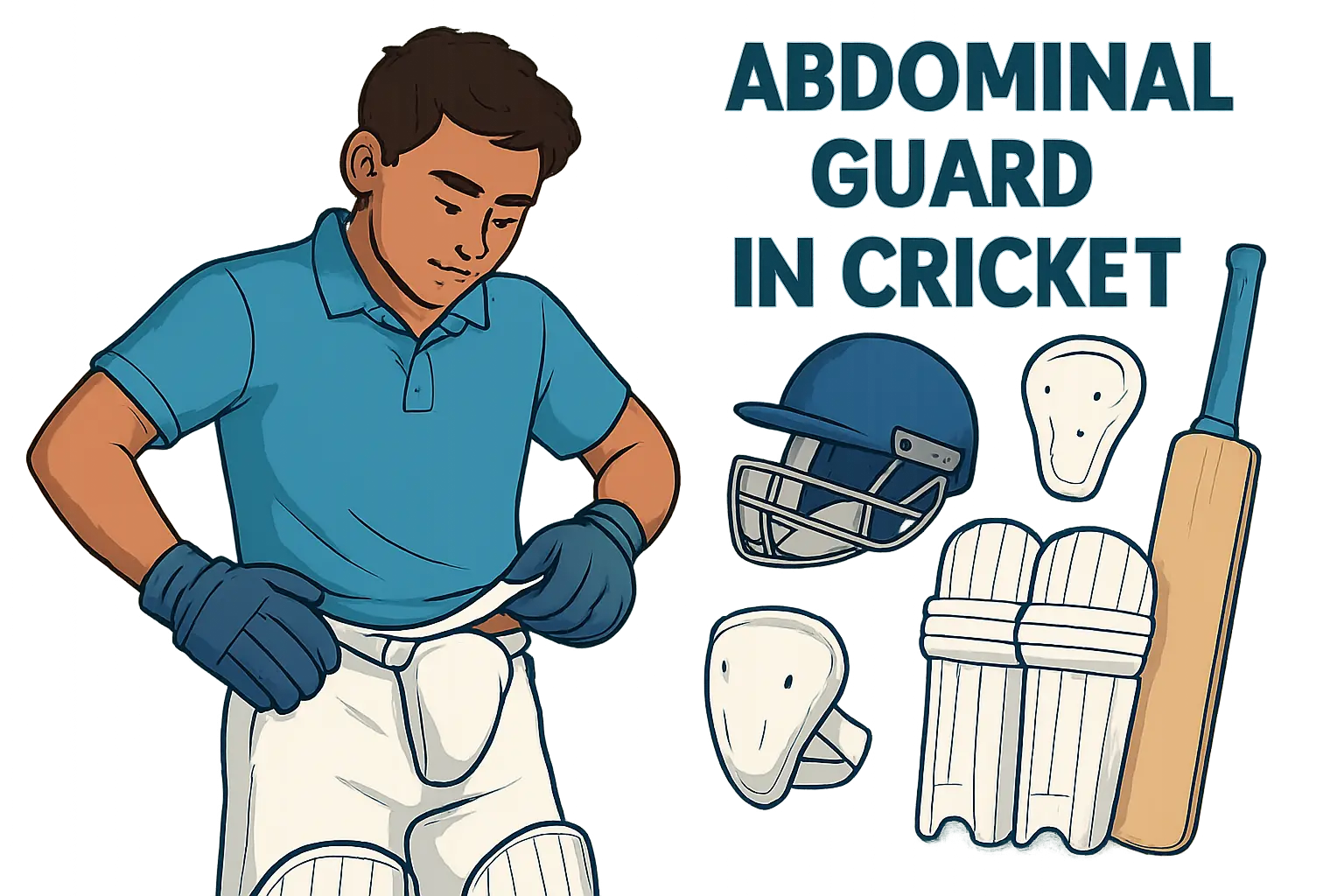
Under lights or on a village green, every cricketer learns one lesson the same way: a cricket ball does not negotiate. It comes hard, it comes late, it ricochets, and it finds the line between bravery and carelessness in a heartbeat. You can miss a pull shot and take a bruise on the rib; you can wear a yorker on the toe and hobble into slips. But one mistake you cannot afford is stepping to the crease or squatting behind the stumps without a proper abdominal guard. The cricket box—also called an abdo guard, groin guard, abdo protector, or simply a cup—is the smallest item of kit with the biggest say in your long-term comfort and confidence.
I have coached youth squads who would bat all day if you let them, and I have watched international players turn their backs to hide the quiet agony of a glancing blow. The difference between a grimace and a giggle often comes down to three things: the right cup, the right fit, and the right support garment. This guide is the complete playbook from the kit bag of a niche obsessive: selection, sizing, materials, fit, women’s and juniors’ pelvic protection, cleaning, troubleshooting, and honest buying advice shaped by real-world testing—running, diving, wicketkeeping crouches, and the erratic bounce of a late-summer square.
What an Abdominal Guard Does and Who Should Wear It
An abdominal guard in cricket is a rigid or semi-rigid protective shell designed to shield the groin and lower pelvic area from direct ball impact. It spreads and dampens force across a broader surface, preventing focal trauma to soft tissue and bony structures. The core job is not to eliminate sensation entirely—that would require a force field—but to turn a sickening blow into an uncomfortable thud you can shake off and face the next ball.
- Batters wear one as standard, regardless of batting order.
- Wicketkeepers wear one whenever standing up to the stumps and, in practice, generally for the entire innings due to unpredictability.
- Close-in fielders—short leg, silly point, leg gully—benefit massively, especially on springy wickets and against spinners.
- Junior players in hard-ball cricket should treat the cricket box as non-negotiable, with coaches and parents building it into pre-play routines.
At club level, you will see keepers and batters put their gloves or helmet on the turf and adjust the guard between overs to relieve pressure or correct slippage. That is not a sign the gear is unnecessary; it is a reminder that fit and orientation matter.
Anatomy of a Cricket Box: Materials, Shapes, and Rims
The basic shape is a tapering shield: wider at the top to cover the pubic arch and narrow at the lower end to sit comfortably between the thighs. The inner face is gently concave to cup the anatomy; the outer face is smoother and sometimes ribbed to add structural strength. Around the edge, good guards feature a softer rim—foam or gel—so that the hard shell’s boundary does not bite into skin during movement.
Common construction details:
- Shell: ABS or polycarbonate for rigidity; some premium guards use composite blends or layered PC for impact dispersion.
- Rim: Thermoplastic elastomer (TPE), silicone, or gel-lined foam for comfort and seal.
- Venting: Perforations or channels in the shell to reduce heat and sweat.
- Depth profile: Standard or deep-cup variants. Deep-cup models offer more space and better coverage for larger anatomy or higher-impact roles (keepers, aggressive batters).
Material comparison and what it means for safety and comfort
| Material | What it is | Pros | Trade-offs | Typical weight | Price bracket |
|---|---|---|---|---|---|
| ABS plastic | Tough thermoplastic | Rigid, affordable, common | Can feel harsher on edges if rim is thin | Light | Budget to mid |
| Polycarbonate (PC) | Impact-resistant thermoplastic | Better energy dispersion, strong at thin sections | Slightly pricier than ABS | Light to medium | Mid to premium |
| TPU hybrid shells | Flexible rigid blend | Slight flex reduces peak force, feels less “brittle” | May need deeper cup to avoid flex contact | Light | Mid |
| Composite/laminated | Layered PC or PC+foam | Excellent dissipation, premium feel | Cost, not always necessary for club cricket | Light | Premium |
Hard vs soft cup: In cricket, a hard shell is the standard. Soft cups are designed for low-contact sports and should be avoided with a hard cricket ball. A soft or purely foam cup is a false economy; it collapses under a good-length ball and invites trouble.
Deep cup vs standard: A deep cup is valuable for wicketkeepers, tall batters with long strides, or anyone experiencing “ride-up” during running. It gives room so the guard can sit properly without pressure points, reducing slippage and chafing.
Rim cushioning: Look for a visibly thicker, supple rim that compresses without collapsing. Gel-lined rims are forgiving on sprints and side-on movements.
Ventilation: Vents matter more than most players guess. Reduced sweat means reduced chafe and odor. Vents do not compromise strength when sensibly placed.
Sizing and Fit: Men, Women, and Juniors
Fit determines whether a cricket box merely exists in your shorts or genuinely protects. Sizing includes the guard itself and the garment that holds it—jockstrap, guard briefs, or compression shorts with a cup pocket. There is no universal size code across brands, but common categories work as a starting point.
Men’s sizing principles
- Guard size generally tracks with body size: Small, Medium, Large.
- A deeper cup is helpful for taller players or those with a longer stride and larger build.
- The guard should sit high enough to cover the pubic bone but not so high it jabs the lower abdomen during forward bend.
- The narrow end must nest comfortably between the inner thighs without pinching.
Women’s pelvic protector specifics
A women’s pelvic protector differs from a men’s cricket box. It is contoured to female anatomy, designed to distribute force across the pubic rami and lower abdomen without a protruding central cup. The top contour is usually broader, and the lower edge shorter, reducing interference with hip flexion. Women should avoid using a men’s abdo guard; proper pelvic protectors provide safer load paths and significantly more comfort.
Fit notes for women:
- Measure at the widest part of the hips for garment sizing.
- The protector should sit flat against the pelvis; gaps at the top mean the size is too small or the garment is too loose.
- Use briefs or compression shorts with a dedicated pocket for the protector to prevent rotation.
Juniors and youth
- For juniors, guard size should match age and waist, but most importantly, the depth should avoid “floating”—a gap where the guard drifts under movement.
- Prioritize a supportive garment rather than upsizing the cup. Oversized guards feel “heavy,” increase slippage, and discourage consistent wear.
- Re-check fit every few months; growth spurts change everything, and a too-small guard can pinch or leave exposed edges.
Approximate size guide for guards and holding garments
| Category | Typical waist (holding garment) | Suggested guard size | Approx guard width x height | Approx guard depth |
|---|---|---|---|---|
| Junior | 20–24 in / 51–61 cm | Junior/Small | 10–11 cm x 14–15 cm | 3.0–3.5 cm |
| Youth | 24–28 in / 61–71 cm | Youth/Medium | 11–12 cm x 15–16 cm | 3.5–4.0 cm |
| Senior (men) | 28–36 in / 71–91 cm | Senior/Medium or Large | 12–13 cm x 16–17 cm | 4.0–4.5 cm |
| Senior (women) | 26–36 in / 66–91 cm (hip-based garment sizing) | Women S/M/L (pelvic protector) | Broader top contour, shorter lower edge | Depth varies by design; flatter profile |
| Large/Tall builds | 34–40+ in / 86–102+ cm | Senior/Large or Deep Cup | 13–14 cm x 17–18 cm | 4.5–5.0 cm |
Note: Measurements are general guidance. Different brands vary by a centimeter or two. When in doubt, test with the intended support garment.
How to Wear an Abdominal Guard: Step-by-Step Fit
Orientation comes first. The rounded, wider end of the cricket box faces up toward your waistband; the narrower, tapered end points down between your thighs. The concave side sits against the body; the smoother convex side faces outward.
Step-by-step fit:
- Put on your jockstrap, guard briefs, or compression shorts with the cup pocket. Position the waistband at your natural waist, not riding low on the hips.
- Slide the cricket box into the pocket with the concave side facing inward, wider end up.
- Center the guard over your groin, ensuring the upper rim sits just below the lower abdomen and the narrow end nestles between the thighs.
- Check the pocket closure (if present). Some have a Velcro or envelope fold to stop the guard from creeping up.
- Perform three body checks: deep squat, lunge forward, lateral shuffle. The guard should stay stable without pinching.
- Put on your trousers/shorts. Fabric friction from outer layers should not drag the guard off-center.
- With pads on, do a half dozen strides and a couple of quick jumps to confirm stability under load.
- Adjust the waistband tension if the guard creeps down during running.
- For wicketkeeping, hold a crouch and rock to either side. If the rim bites, try a deeper cup or softer-rimmed model.
- Lock in your routine: always insert and check in the same order so muscle memory takes over on busy changeovers.
A quick “fit in 30 seconds” routine before you walk out:
- Insert the guard, align the wide end up.
- One deep squat, one forward lunge each leg, two lateral shuffles.
- Final center check with a palm over the guard; if the rim is even and stable, you’re set.
Jockstrap vs Compression Shorts vs Guard Briefs
The holding garment is not an accessory; it is the essential partner of the cricket box. It dictates whether protection sits where it should in the twelfth over, not just in the first.
| Garment type | Strengths | Considerations | Best for |
|---|---|---|---|
| Jockstrap (traditional) | Maximum hold, minimal fabric, great airflow | Can leave skin exposed to chafing at straps; some feel “old school” | Hot climates, players who want a locked-in feel |
| Compression shorts with cup pocket | Balanced support, covers skin, reduces chafe, easy layering | Needs correct size to avoid cup drifting; can get hot if fabric too thick | General use, batters and keepers, cooler climates |
| Guard briefs (integrated pouch) | Everyday comfort, simple to wear | Less compression than true shorts; buy the right cut to avoid sag | Juniors, club cricketers, training sessions |
For sprint-heavy roles or if you experience frequent slippage, a snug jockstrap or high-compression short with a firm pocket is often the most reliable. For longer batting sessions in milder weather, many prefer compression shorts for comfort and reduced friction under thigh pads.
Preventing Slipping, Chafing, and Discomfort
Slipping and chafing are not rites of passage; they are signals that something in your setup is off.
- Hold, not squeeze: The waistband should be firm enough to resist gravity when you sprint but not so tight it rolls or digs.
- Pocket discipline: The cup pocket should be smaller than the cup by a margin that stretches to hold it taut. If the pocket is loose, the guard will float.
- Rim choice: Softer, gel-lined rims reduce bite during lateral movement and wicketkeeping crouches.
- Anti-chafe habit: Apply a thin layer of anti-chafing balm or petroleum jelly to high-friction zones (inner thighs, rim touchpoints) before long innings.
- Seam awareness: Position garment seams away from the rim’s contact points.
- Depth matters: Choose a deep-cup model if you feel pressure at the top edge when striding.
- Layering right: Do not put the guard in loose everyday underwear. Use dedicated gear. If you must layer, put snug briefs under compression shorts without a second pocket, never over the cup.
- Heat and sweat: Ventilated shells and moisture-wicking garments dramatically reduce friction-driven irritation.
Club reality tip: if your guard rides up in the first over, it will annoy you all afternoon. Fix it at the break—tighten the waistband by one notch, adjust the pouch so the rim is equidistant left and right, and confirm the narrow end sits cleanly between the thighs.
Role-Specific Notes: Batter, Wicketkeeper, Close-in Fielder
Batters:
- A standard or deep cup depends on stride length and running style. Aggressive singles and drops-and-run benefit from deeper cups, which reduce bumping.
- Under heavy thigh padding, some batters experience rim pressure on cross-bat shots. A softer rim or a slightly smaller shell can cure the pinch without sacrificing coverage.
Wicketkeepers:
- Keepers should wear the guard throughout the innings. Standing back, nicks can still spear through; standing up, the risk is obvious.
- A deep-cup cricket box with a soft rim is common among keepers. The crouch and rock require a guard that stays seated without biting.
- Pair the guard with proper inner-thigh protection. The right system spreads impact across multiple surfaces—pelvic protector, thigh pads, and hip padding—so one component does not take the full hit.
Close-in fielders:
- Short leg and silly point players should wear a guard, especially in early overs or on ragging surfaces. Even a glancing deflection can find awkward angles.
- Choose a garment with greater hold; standing and springing from static positions tends to expose loose setups.
Women in Cricket: Pelvic Protectors that Work
Women deserve gear designed for their anatomy, period. A women’s pelvic protector spreads force across bony structures that can carry load and avoids compressing sensitive soft tissue. The flatter front profile and broader top reduce hot spots during forward bends and lateral movement. With modern materials, women’s protectors are both unobtrusive and highly effective.
Fit essentials:
- Use compression shorts or briefs engineered for a pelvic protector, not a men’s jockstrap. The pocket shape should match the protector’s profile.
- Size by hip measurement and match brand charts; when in doubt, the protector should sit flush at the top with minimal gap.
- Try a deep squat and high-knee drive test; if the top rim contacts the lower abdomen aggressively, switch size or select a softer rim style.
Coaching note: The psychological comfort of wearing the correct equipment is as important as the physical layer. Players move more freely when they trust their kit. Build protector checks into the same routine you use for helmet, gloves, or thigh guard.
Junior and Youth Players: Safety and Confidence
For juniors, an abdo guard or pelvic protector is both protection and confidence. When youngsters know they are safe in the danger zones, they commit to shots, keep their heads still, and play straighter. The practical steps to success are simple:
- Make the guard part of the dressing sequence from day one.
- Let juniors practice running, hopping, and squatting with the guard before net sessions so it becomes normal, not an annoyance.
- Revisit sizing every few months. Growth spurts can turn a perfect fit into an irritant overnight.
- Prefer guard briefs or compression shorts for juniors—they are more intuitive and help avoid misplacement.
Parents often ask about “room to grow.” The right approach is to size the garment with modest headroom but keep the guard itself correctly sized. An oversized shell moving around in a loose pocket is a recipe for inconsistency and discomfort.
Buying Guide: Features that Matter and Honest Picks by Budget
A “best abdominal guard for cricket” is the one that fits you, holds steady in your chosen garment, and uses materials appropriate to the level you play. Brand sheen matters less than rim quality, shell depth, and pocket compatibility. Still, established makers—Gray-Nicolls, Kookaburra, Gunn & Moore (GM), SG, SS, Shrey, Masuri—maintain consistent quality and sizing logic, which helps.
Features that genuinely matter:
- Shell material and thickness: Polycarbonate or robust ABS with an even thickness and smooth finish.
- Rim softness: Noticeable give when pressed, without collapsing. Gel rims are worth it for long spells.
- Depth and contour: Enough internal volume to prevent pressure on movement; a gentle inner curve that cradles, not pokes.
- Ventilation: Sensible vent holes or channels that reduce heat without weakening key areas.
- Edge finishing: No rough seams, flashing, or burrs. You should not feel an unfinished edge through fabric.
Approximate feature tiers by price (indicative, varies by market):
| Tier | What you get | Use case |
|---|---|---|
| Budget | ABS shell, basic rim, minimal venting | Training, beginners, juniors starting out |
| Mid-range | PC or tough ABS, softer rim, better finishing, decent venting | Club cricket, regular batting/keeping, longer sessions |
| Premium | PC/composite blends, gel-lined rim, deep-cup options, superior finishing, optimized venting | Heavy use, wicketkeepers, players sensitive to chafe or slippage |
Brands often offer multiple models within their line-up (e.g., a simple “abdo guard,” a “gel abdo guard,” and a “pro/elite” variant). Match your needs rather than your ego. For many club players, mid-range with a soft rim is the sweet spot.
Abdominal Guard Price by Market
Prices vary by region, materials, and brand status. As a broad guide:
- India: Budget options often start around 200–500 INR, with mid-range 500–1000 INR, and premium/deep-cup or gel-rim models 1000–1500 INR and above.
- United Kingdom: Entry options around £4–£8, mid-range £8–£15, premium £15–£25+.
- Australia: Budget from about AUD 8–15, mid-range AUD 15–30, premium AUD 30–45+.
Marketplaces and multi-brand cricket retailers frequently bundle deals—guard plus compression shorts or jockstrap—which can be better value and reduce the risk of mismatch between cup and pocket.
Care, Cleaning, and Replacement
A guard you trust is a guard you maintain. Dirt, salt, and bacteria degrade materials and turn a clean rim into a scratchy edge.
Cleaning routine:
- After play, wipe the shell and rim with warm water and a mild soap. A soft brush helps clear vent holes.
- Disinfect periodically with a diluted white vinegar solution or a sports gear-safe spray. Rinse and air-dry fully.
- Avoid high heat. Do not leave it on dashboards or radiators; UV and heat can warp plastic and harden rims.
- Store it dry in a breathable bag. Closed, damp spaces breed odor and bacteria.
Odor control:
- Let it breathe between sessions. A few hours of airflow beats any deodorizer.
- Baking soda sachets in your kit bag absorb moisture and smell.
- If odor persists even after cleaning, the rim may be harboring bacteria in micro-tears—time to replace.
Replacement indicators:
- Visible cracks, clouding, or soft spots in the shell.
- Rim splitting, hardening, or flaking.
- Persistent odor that survives a proper clean.
- Deformation that prevents the guard from sitting flat or centering.
Active players often replace guards at the start of a new competitive phase or after a heavy season of use. If you play multiple times a week, inspect the rim regularly; small tears grow quickly.
Safety, Rules, and Culture
The Laws of Cricket focus on conduct and equipment legality but leave personal protective gear to leagues and common sense. In practice, most clubs and coaching setups expect batters and wicketkeepers to wear a cricket box or pelvic protector. Junior programs often treat it as mandatory. Umpires, coaches, and captains will quietly enforce the norm: no guard, no bat. It is not bravado; it is responsibility.
Peers and senior players shape dressing-room culture. When veterans normalize protector checks with the same seriousness as helmet chinstraps, juniors follow without complaint. That culture shift protects everyone.
Cross-Sport Use and Limitations
An athletic cup is a general term, but cricket-specific boxes have particular contours and coverage zones optimized for front-on impacts from a hard ball delivered at pace. Some crossover is reasonable; others are not:
- Hockey and fielding drills in baseball: A cricket box can serve, but sport-specific cups may offer better lateral coverage or integration with their garments. In hockey, pelvic protectors designed for the sport handle the speed and angle profile better.
- Combat sports and MMA: Not recommended. Those sports use groin guards integrated with wider waistbands and different shapes to handle kicks and grappling. Use a specialist protector.
- Goalkeeping in football: Typically unnecessary; impacts differ; if desired, a soft-shell pelvic protector is more comfortable.
Rule of thumb: if the sport involves hard, front-on projectiles toward the groin, a hard-shell protector is essential—but choose the one designed for that sport’s movements and impact vectors.
Real-World Testing: Running, Squatting, Wicketkeeping
Lab specs matter, but the final verdict comes from sprints between wickets, crouch-to-collect actions, and long spells in heat. Practical testing I run with players looks like this:
- Warm-up jog and high-knees: Confirms whether the upper rim rubs the lower abdomen.
- Stride and turn: Ten strides, touch the crease, pivot, and return. Checks for lateral creep.
- Deep squats and keeper rock: Simulates wicketkeeping stance transitions.
- Lateral shuffles with thigh pads on: Mimics batters adjusting to line.
- Low catches and head turn: Ensures the guard does not snag when hips twist.
Findings you can use:
- Deep-cup with gel rim consistently reduces complaints from keepers and tall batters. The added internal volume stops the guard from “topping out” against the lower abdomen.
- Compression shorts with a snug cup pocket balance comfort and hold for most batters. In humid conditions, a traditional jockstrap circulates air better and keeps the rim dry, preventing chafing late in the innings.
- Vent holes are not gimmicks. Guards with sensible venting run cooler and smell better after repeated sessions.
Common Myths and Missteps
- Bigger is automatically safer: An oversized guard that floats is worse than a correctly fitted medium. Coverage without control creates new risks.
- Soft cup is fine for training: Hard balls at any speed can do damage. Always use a hard-shell cricket box or a proper pelvic protector.
- Double-cupping adds protection: Stacking cups destabilizes fit and introduces pressure points. Use one well-fitted, high-quality guard.
- Any underwear will do: Regular briefs lack a stable pocket. The guard rotates, slips, and chafes. Use a jockstrap, guard briefs, or compression shorts with a proper pouch.
- Orientation is intuitive: Plenty of players wear the narrow end up by mistake. The wide end always faces up toward the waistband.
Quick Reference: Size and Fit Charts
Holding garment guidance by waist/hip and suggested cup category:
| Body type | Waist/hip measure | Holding garment size | Cup/protector suggestion |
|---|---|---|---|
| Junior starter | 20–24 in / 51–61 cm | XS–S junior briefs or shorts | Junior/Small hard-shell cup |
| Youth progressing | 24–28 in / 61–71 cm | S–M youth compression shorts | Youth/Medium hard-shell cup |
| Senior slim | 28–32 in / 71–81 cm | S–M jockstrap or shorts | Senior/Medium cup (consider deep-cup if long stride) |
| Senior average/large | 32–36+ in / 81–91+ cm | M–L jockstrap or shorts | Senior/Large or Deep Cup |
| Women S | 34–37 in / 86–94 cm (hips) | Women’s S briefs/shorts | Women’s S pelvic protector |
| Women M | 37–40 in / 94–102 cm (hips) | Women’s M briefs/shorts | Women’s M pelvic protector |
| Women L/XL | 40–44+ in / 102–112+ cm (hips) | Women’s L/XL | Women’s L/XL pelvic protector |
Always cross-check brand-specific charts; some run small or deep by design.
Troubleshooting Scenarios
Guard keeps slipping while running:
- Increase garment compression one size down or tighten waistband slightly.
- Switch to a garment with a firmer cup pocket.
- Try a deep-cup model; additional internal volume helps anchor the top rim.
Pinching during wicketkeeping crouches:
- Select a softer rim or deeper cup.
- Confirm the narrow end of the guard is properly seated between the thighs; adjust thigh pad straps to reduce interference.
- If using compression shorts, check that pad straps or seams do not push the rim inward when you rock.
Rash or chafing:
- Move from cotton to moisture-wicking synthetics for the holding garment.
- Apply anti-chafing balm at contact zones.
- Clean more frequently and ensure full drying; salt residues create abrasive edges.
Guard rotates off-center:
- Use a pocket with a closure flap.
- Choose a cup with a slightly flatter inner profile and better rim grip.
- Avoid layering loose underwear between the cup and body.
Feeling of constant upward pressure:
- Likely a depth issue. Try a deep-cup or drop the waistband a fraction so the upper rim doesn’t dig into the lower abdomen.
- Confirm pad straps are not pulling the garment upward.
Sustainability and Longevity
Most cricket boxes use thermoplastics and elastomers that are not commonly recycled via household schemes. Extending lifespan is the greenest option:
- Store out of direct sunlight; UV degrades both shell and rim.
- Clean and dry after use; sweat and salt shorten life.
- Replace on condition rather than impulse. When the rim stays supple and the shell is uncracked, keep using it.
If local facilities accept rigid plastics, remove the rim where feasible and recycle the shell accordingly. Check with municipal guidance; acceptance varies.
Brand Nuances and Sizing Personalities
Every brand has a “personality” in fit:
- Gray-Nicolls and Kookaburra often strike a middle path—reliable dimensions, good finishing, sensible venting.
- GM (Gunn & Moore) typically balances rigidity with comfort in mid-tier options.
- SG and SS offer excellent value in India, with wide availability and multiple rim styles; quality varies by tier, so inspect rim finish.
- Shrey and Masuri, known for helmets, bring premium finishing to protectors in their higher-end lines.
When evaluating product pages from marketplaces or multi-brand retailers, focus on specific details: rim material, depth indicators, and user feedback on fit and movement. Two players can rate the same guard differently depending on garment pairing; look for consistent comments about slippage or rim comfort, and cross-check with your chosen support garment type.
Local and Language Nuance
If you shop or play across regions, remember the vocabulary shifts:
- UK/India terms: cricket box, abdo guard, abdominal guard, abdo protector.
- Australia: box, abdo guard, groin guard.
- US: athletic cup (less common in cricket circles but useful for search and cross-sport retail).
- Women’s gear: pelvic protector is the clearest, most accepted term in all markets.
Currency and availability vary by market, but core features and fit principles remain universal.
Integration with the Rest of Your Kit
Protection works as a system. The abdo guard sits in concert with:
- Thigh and inner-thigh pads: Adjust straps so they do not push into the rim.
- Hip padding or shorts with built-in panels: Check they do not crowd the guard.
- Trousers/shorts cut: A slimmer cut can press the guard; a looser cut can tug it off-center with fabric movement. Choose a middle ground that allows air and movement.
Before a new season or tournament, dress fully—pads, trousers, belt—and perform a complete movement test. The difference between a perfect net feel and a match-ready setup is often the friction of an extra layer.
Practical Scenarios from the Middle
- Early-season deck with tennis-ball bounce: You misjudge a back-of-a-length and the ball skids awkwardly. A firm, mid-range PC shell with a soft rim turns a sharp sting into a dull complaint you forget by the next over.
- Wicketkeeper standing up to a medium-pacer: The batter misses a flick, the ball deviates off the pad, and you catch one at an odd angle between thighs as you move across the stumps. A deep-cup, gel-rimmed guard prevents the bite that would otherwise have you shifting gingerly for the rest of the innings.
- Junior batter learning to sweep: A top edge off the bottom of the bat bounces unpredictably. Confidence in a proper junior guard keeps the head down and eyes on the ball across the next set of drills, not flicking up in fear.
Small design decisions—rim softness, depth, and hold—change real outcomes.
Evaluation Checklist Before You Buy
- Shell rigidity: Press and release—should flex minimally and spring back without creak.
- Rim feel: Press the rim against your thumb; it should compress with comfort, not cut.
- Depth fit: Hold the guard against your body in-store (over clothing). The top should cover the pubic arch without pressing into the lower abdomen.
- Pocket compatibility: If you already own compression shorts or a jockstrap, check the cup shape and size match the pocket. Avoid a pocket that swallows the cup loosely.
- Venting and finish: Smooth edges, no rough injection marks, vents that do not weaken key strike zones.
Maintenance Habits of Players Who Never Complain About Their Guard
- Fixed routine before walking out: insert, orient, three-move check, final center press.
- Immediate rinse and air-dry after play; no tossing it in a damp kit bag for days.
- Replacement on condition triggers—rim tear, crack, warp—rather than last-minute panic buys.
- Spare on hand in the kit for long festivals or back-to-back matches.
- Seasonal reassessment of garment fit; waistlines and preferences shift.
Local Buying Options and When to Go In-Store
Online marketplaces and specialist cricket retailers list extensive ranges and reviews. Buying in-store helps when:
- You are between sizes or unsure about depth.
- You want to test garment-and-guard combos for movement.
- You need women’s or junior-specific advice and fitting.
Retail staff at cricket-focused shops often play or coach and can spot a misfit quickly. If you buy online, use retailers with straightforward exchange policies.
Final Word
A cricket box looks unremarkable until the day it saves you. Then it becomes the quiet hero you never leave behind. The right abdominal guard in cricket is not a lucky charm; it is thoughtful engineering meeting an honest appraisal of your body, your role, and your routine. Choose a shell that spreads force without fuss, pair it with a garment that holds it like it matters, and commit to a fit ritual until it is as natural as taping your bat handle or zipping your pads.
Every run you take, every sweep you dare, every take a wicketkeeper snaffles standing up, is a vote of confidence in your gear. Give yourself that certainty. Fit it right, care for it, and forget about it—until the moment you are very glad you did not.