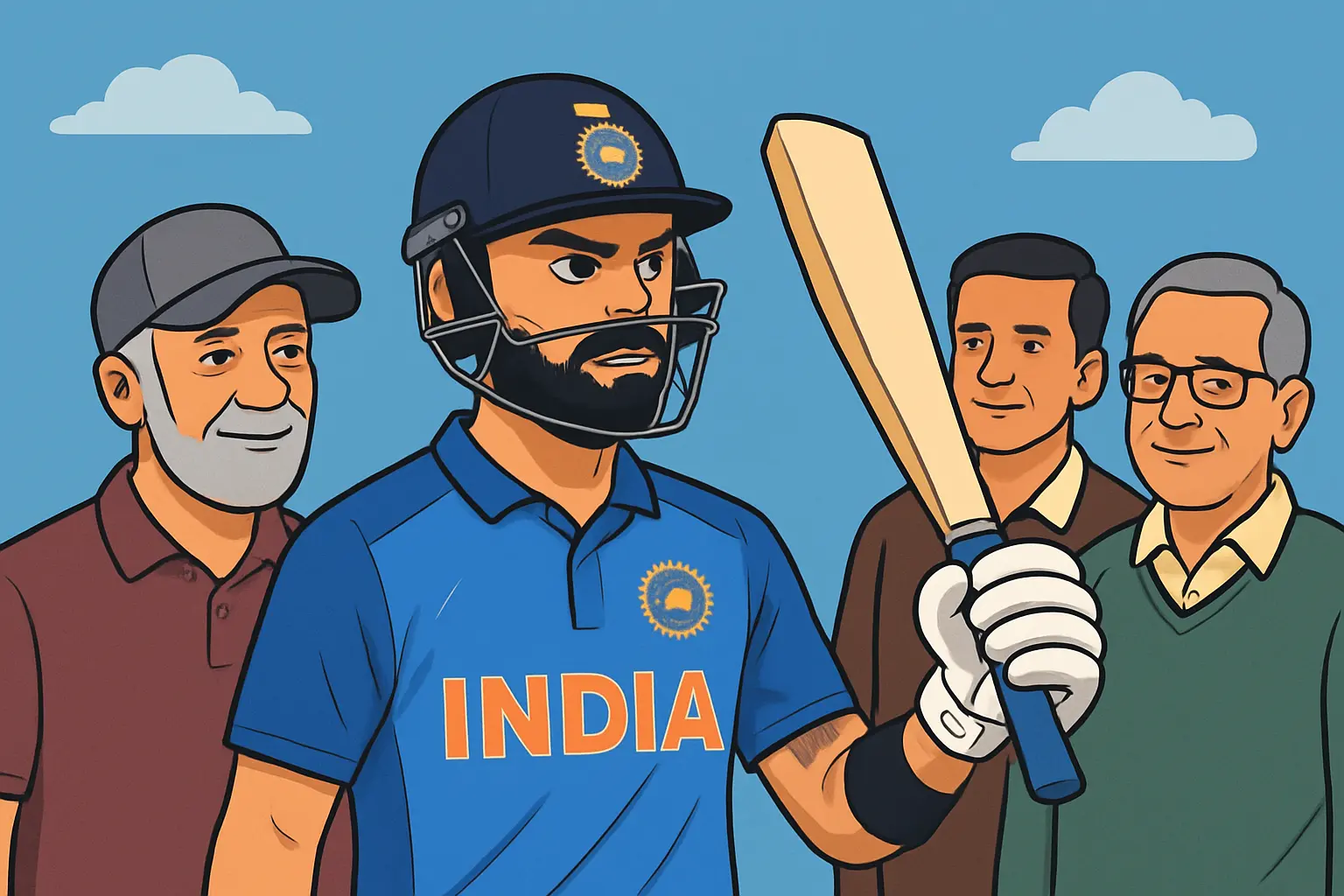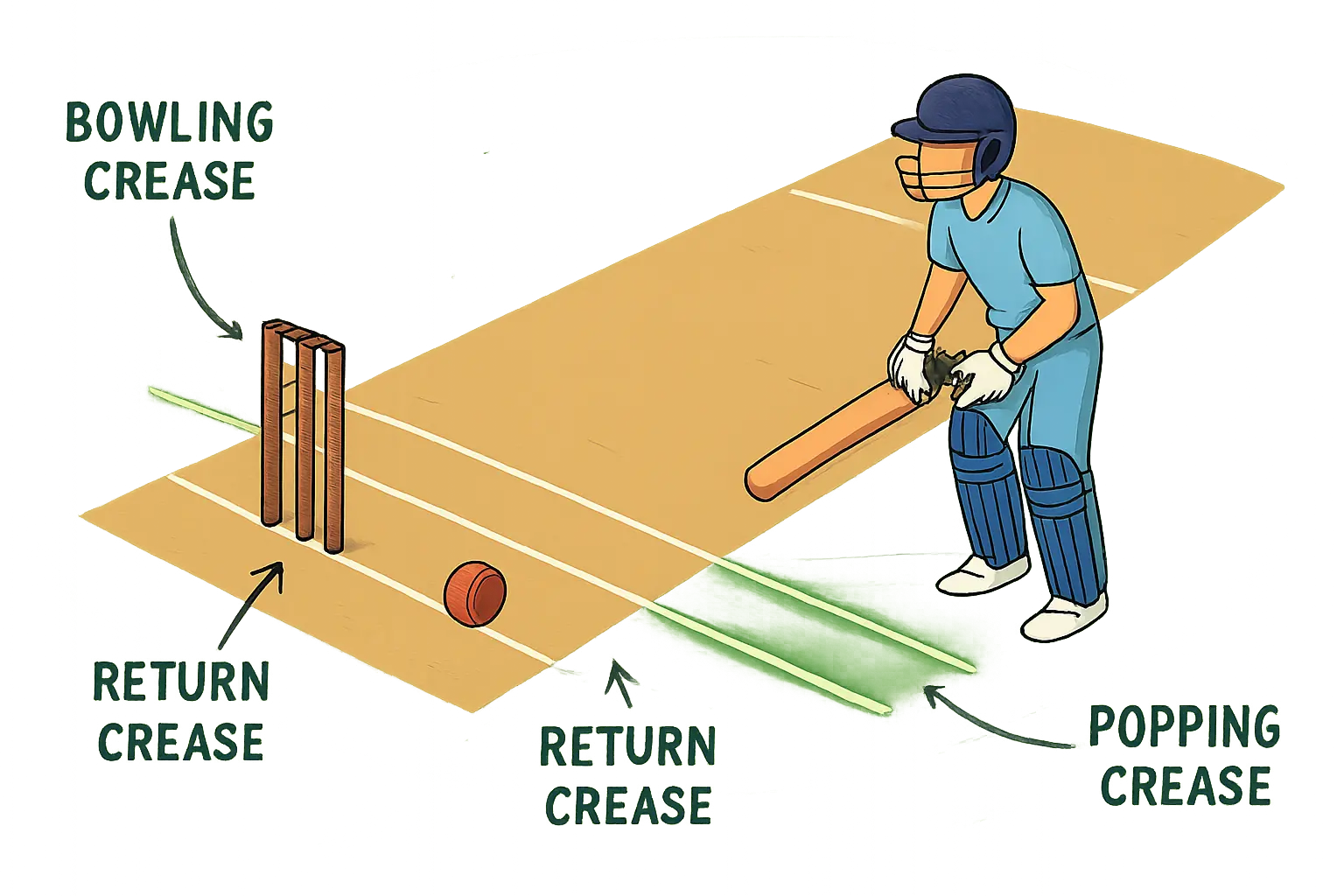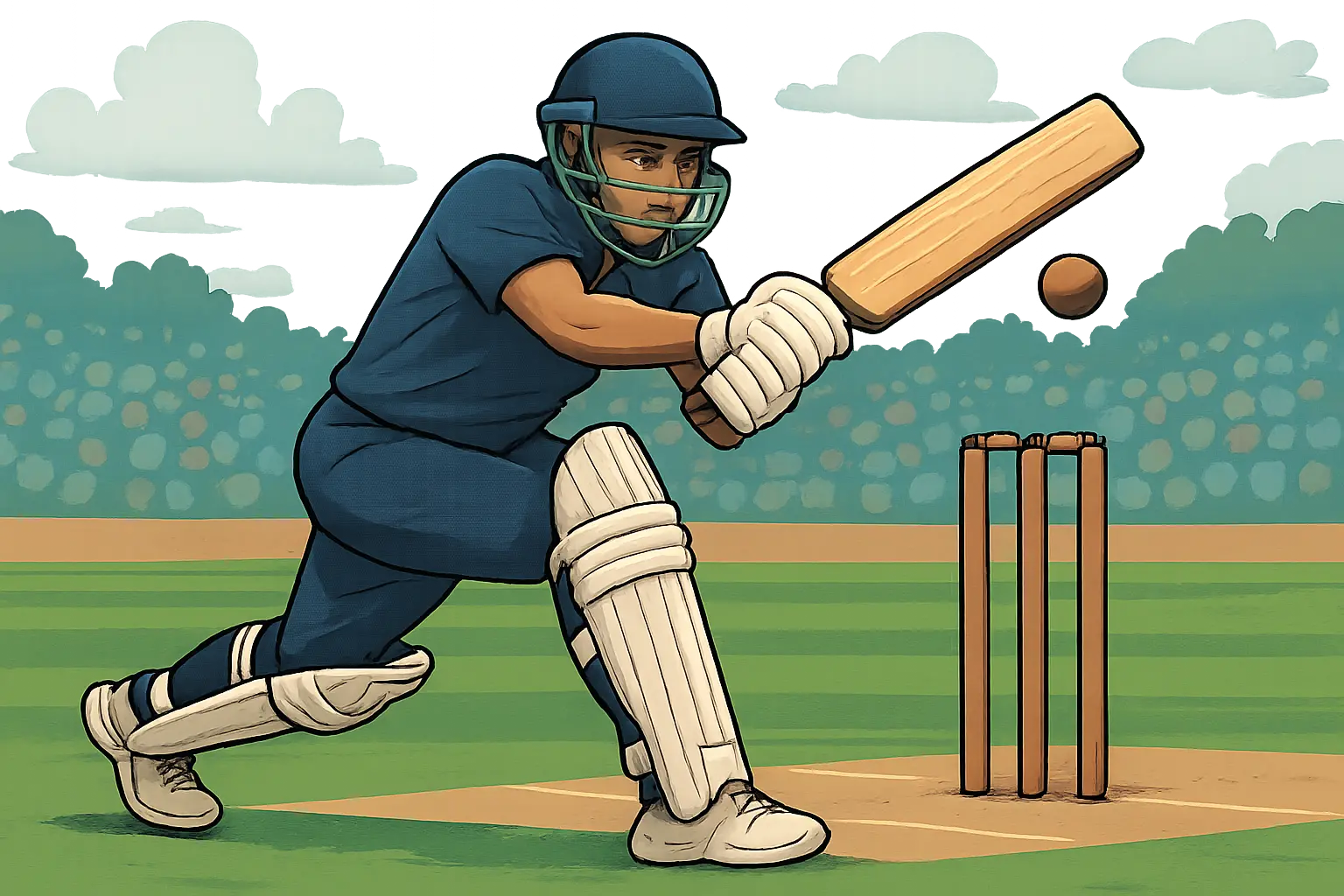


A packed house under lights, a new ball glinting, and one figure quietly marking center. Great batting begins long before the first delivery: grip, stance, a calculated breath. The best batters in the world don’t merely find runs; they find moments—the difficult, high-pressure ones—and bend them to their will. This piece is a cross-format hub from a professional’s lens, layered with editorial judgment, historical context, and in-game details that reveal how mastery is built.
Vocabulary & intent
Note: best batsman / batter used interchangeably. ‘No 1 batsman’ can mean format-specific or cross-format supremacy.
Before diving into lists and leaderboards, a quick word on vocabulary. Best batsman in the world and best batter in the world are interchangeable here. The intent behind No.1 batsman in the world can point to Test greatness, ODI dominance, or T20 fireworks. Our aim is to connect the dots: anchor on authority (ICC rankings exist for a reason), expand with on-field nuance (match contexts matter), and stack formats, eras, and conditions in one coherent map you can rely on.
What “best” really means in modern batting
It’s easy to count centuries. It’s harder to weigh them. A 91 on a greentop in Headingley that turns a series is often more valuable than a chanceless 200 on a placid surface. A 37-ball 70 in a T20 chase can outstrip a sedate hundred. So ‘best batsman right now’ must reflect more than a scorecard.
Framework used in this analysis
- Run value over raw volume: adjust for pitch, opposition, and match state.
- Format-agnostic repeatability: decision-making, off-stump awareness, balance under movement, hitting options through the arc.
- Strike rate and tempo control: speed allied with smart risk—especially in white-ball cricket.
- Consistency and ceiling: long-term averages plus game-breaking peaks.
- Big-stage temperament: World Cup knockouts, away Ashes sessions, hostile subcontinental afternoons.
- Role fit and conditions literacy: opening, middle order, finisher, and the ability to solve Australia’s bounce, England’s swing, Asia’s turn.
World number 1 batsman right now — the cross‑format “belt”
Across formats, the belt rotates among a small fraternity. In the current cycle the cross‑format belt sits with a batter who has layered prime fitness, shot range, and chase mastery onto a long career of pressure runs.
The belt is closely contested: Joe Root (pure Test craft), Babar Azam (ODI re-centering), Suryakumar Yadav (T20 360-degree redefinition), Kane Williamson, Steve Smith, Rohit Sharma, Travis Head, and Heinrich Klaasen all exert gravitational pull in their lanes. If one name must own the overall tag in this moment, Kohli’s blend of consistency, big-tournament aura, and repeatability keeps him out in front.
Cross‑format Top 10 — Expert Index
A condensed, editorially weighted view of the best batsmen across formats right now. Not ICC; performance-and-context index.
Virat Kohli — Chase management & cross-format consistency
Joe Root — Red-ball craft
Suryakumar Yadav — T20 360 access
Babar Azam — ODI flow & textbook timing
Kane Williamson — Match-tempo sculptor
Steve Smith — Idiosyncratic Test master
Rohit Sharma — White-ball opening thunder
Travis Head — White-ball intent
Heinrich Klaasen — Middle-overs destroyer
Shubman Gill — Timing-first ODI aura
These slots breathe: injuries, series swings, and role tweaks can shuffle this order.
Best Test batsman in the world — red‑ball supremacy
Red-ball cricket still asks the hardest batting questions. Transfer your weight correctly, leave on length, respect movement, and build platforms that win sessions. The best Test batsman thrives where plan A collapses and a plan B must materialize mid-over.
Core modern Test names
- Joe Root — touchstone for modern Test batting; sweep family and late play vs seam.
- Kane Williamson — the quiet surgeon; light hands and late contact.
- Steve Smith — length-reading earlier than most; soft hands convert ‘good’ into neutral.
- Marnus Labuschagne — repeatable, methodical occupations and elite leave.
- Virat Kohli — rebalanced off-stump discipline and big-innings conversion.
Other stalwarts worth noting
- Babar Azam — translating white-ball class into patient red-ball value.
- Usman Khawaja — new-ball absorber with left-handed angles.
- Dimuth Karunaratne — opening grind and long-game wins in Asia.
- Travis Head — ODI intent in Tests to break sessions on bouncy wickets.
- Daryl Mitchell & Tom Latham — consistency anchors for New Zealand.
One thread: the best Test batsmen own their off stump, present a stable head, and remain humble to changing lengths. Free runs at the start rarely stay free; the greats bank them without buying risk.
Best ODI batsman in the world — fifty overs of controlled violence
ODI batting is a conversation across three acts: survive the new ball, accumulate through the middle, and spike tempo in the last ten. The best ODI batsman directs those acts with theater-director control.
Babar Azam — template anchor
Other ODI pillars: Virat Kohli (chase metronome), Rohit Sharma (opening detonator), Shubman Gill (timing-first), Kane Williamson (chessmaster), Heinrich Klaasen (middle overs crusher), Travis Head (powerplay storm), Daryl Mitchell & Devon Conway (ballast), Fakhar Zaman (ceiling bomber), Quinton de Kock (two-phase opener).
Best T20 batsman in the world — the white‑ball arms race
Twenty overs reward audacity—without sacrificing shape. The best T20 batsman owns options at both ends, reads the bowler early, and builds a base that survives mis-hits.
Suryakumar Yadav — modern T20 definitive
Other T20 leaders include Jos Buttler, Mohammad Rizwan, Babar Azam, Glenn Maxwell, Phil Salt, Aiden Markram, Nicholas Pooran, Ruturaj Gaikwad, Yashasvi Jaiswal, David Miller and Tim David.
Greatest batsman of all time — the GOAT conversation
All-time debates demand context. Bats expanded, protective gear improved, fields shifted, and schedules ballooned. Comparing eras is empathy married to evidence. Below is a compact shortlist and the case for each.
| Player | Case for greatness | Era & conditions |
|---|---|---|
| Don Bradman | An average that defies sport logic: 99.94 in Tests—an outlier beyond the graph. | Uncovered pitches, rudimentary protection; output still stratospheric. |
| Sachin Tendulkar | Volume, variety and longevity from teen prodigy to elder statesman. | Faced peak pace across hostile away tours; a national load-bearer. |
| Viv Richards | Dominance and swagger; striking aggression before strike rates were measured. | Faced some of the quickest bowling eras; played without helmet for long stretches. |
| Brian Lara | Unmatched individual peaks and record-making imagination. | Epic innings against high-class attacks; rhythm tuned to the ball’s soul. |
| Ricky Ponting | Peak consistency, front-foot aggression and captaincy pressure without batting decline. | Dominant across conditions; both ODI and Test titan. |
| Jacques Kallis | Batting greatness plus all-round workload; averaged like a specialist. | Dual-role workload and conservative, massively valuable technique. |
| Kumar Sangakkara | Post-glove batting brilliance; poetry in technique and white/red balance. | Massive second act after relinquishing keeping duties. |
| AB de Villiers | 360-degree shot library and ODI/T20 genius; risk and control blended brilliantly. | Redefined what imagination plus technique looks like across formats. |
| Virat Kohli | International centuries across formats and sustained chasing excellence. | Modern fitness-led era with relentless scheduling and pressure. |
| Sunil Gavaskar | Technical bedrock opening in the raw pace era without modern protective gear. | Series-defining away runs under extreme difficulty. |
You can shift names by a place or two. Bradman remains the outlier; Tendulkar’s combination of volume and longevity keeps him central. Modern names like Kohli belong at the table.
Rankings, methodology, and ICC batting points explained
The ICC rankings weigh recent performance more heavily, calibrate for opposition strength, and factor match context. A hundred against a top-tier attack away is worth more than one at home against a weak side. Editorial lists complement ICC by adding role nuance: finisher vs opener, death overs vs middle overs.
Roles, conditions and invisible edges of batting
Selected lenses: swing, spin, geography and phases of the innings.
Best vs swing
Williamson and Root play late with still heads and minimal early movement. Steve Smith anticipates length changes; Kohli responded to English swing with an off‑stump recalibration.
Best vs spin
Root’s sweep-and-reverse family, Smith’s micro-balance adjustments, Babar’s wrist control, and Williamson’s dead-bat extraction make for the modern spin toolkit.
Regional strengths
- Asia: Babar, Kohli, and Root—feet and hands in sync for slow, turning tracks.
- England: Williamson and Root—play late, leave well, respect the good ball.
- Australia/South Africa: Smith dominates bounce; Rohit and Head use pull and drive currency.
Powerplay, middle overs and death overs specialists
One-day cricket is a relay. Different legs need different runners.
- Powerplay kings: Rohit Sharma, Travis Head, Phil Salt, Quinton de Kock, Shubman Gill.
- Middle-overs anchors: Babar Azam, Kane Williamson, Joe Root, Daryl Mitchell, Devon Conway.
- Death overs finishers: Jos Buttler, Heinrich Klaasen, Glenn Maxwell, David Miller, Tim David, Virat Kohli.
Best batsman in World Cup / knockout temperament
Greatness isn’t shy on big nights. Kohli’s chases have become folklore; Rohit’s bursts kill games early; Williamson’s calm balances tournament workloads. Past giants—Ponting, Tendulkar, Sangakkara—remind us big-tournament batting is its own craft.
Best finisher in ODI and T20 cricket
Finishing is about more than sixes: it’s about avoiding unnecessary twos, lining up the right side of the ground, and waiting for the delivery you planned for.
ODI finishers
Jos Buttler, David Miller, Glenn Maxwell: combining reach, reading pace, and launch angles to minimalize dot balls.
T20 finishers
Tim David, Suryakumar Yadav, Nicholas Pooran: understand death-over geometry and finish aggressively but intelligently.
Best IPL batsman ever and franchise context
The IPL compresses world-class bowling into nightly puzzles. All-time ledger highlights:
- Virat Kohli — highest run tallies and iconic chases.
- AB de Villiers — the patron saint of impossible finishes.
- Rohit Sharma — relaxed powerplay authority and calm lofting when needed.
- David Warner, Suresh Raina — season-after-season production.
- Rising: Shubman Gill, Yashasvi Jaiswal — retooling powerplay math with classical technique.
Women’s cricket — best women’s batter and all‑time greats
Gender-agnostic discussions on best batsman must include the women who reshaped the game.
Current elite tier
- Beth Mooney — T20 IQ, late play and final temperament.
- Natalie Sciver-Brunt — back-foot power and placement against seam.
- Chamari Athapaththu — lone-hero innings and high backlift power.
- Laura Wolvaardt — textbook cover drive and improving finishing.
- Smriti Mandhana — placement plus lofted grace.
- Alyssa Healy — opening thunder and short-arm jab against hard length.
- Meg Lanning — ODI command and tournament reading.
All-time pillars
- Mithali Raj — mountain of ODI runs and anchor leadership.
- Charlotte Edwards, Belinda Clark — architects of modern women’s batting.
- Suzie Bates, Stafanie Taylor — dual-format brilliance.
- Ellyse Perry — allrounder whose batting stands independently among greats.
Country spotlights — the best in each nation
A rapid scan of contemporary leaders and their national context.
- India: Virat Kohli, Rohit Sharma, Shubman Gill, Suryakumar Yadav.
- Pakistan: Babar Azam, Mohammad Rizwan, Fakhar Zaman.
- Australia: Steve Smith, Travis Head, David Warner, Marnus Labuschagne, Glenn Maxwell.
- England: Joe Root, Jos Buttler, Jonny Bairstow, Phil Salt.
- New Zealand: Kane Williamson, Devon Conway, Daryl Mitchell.
- South Africa: Heinrich Klaasen, Aiden Markram, Quinton de Kock.
- Sri Lanka: Dimuth Karunaratne, Kusal Mendis, Chamari Athapaththu.
- Bangladesh: Shakib Al Hasan, Litton Das.
- West Indies: Nicholas Pooran, Shai Hope.
- Afghanistan: Rahmanullah Gurbaz, Ibrahim Zadran.
Best young batsman in the world — breakout layers
New names emerge with domestic and franchise seasoning:
- Yashasvi Jaiswal — bravado with balance; Test hunger + T20 timing.
- Shubman Gill — timing-first, ODI acceleration and Test upside.
- Harry Brook — redefining tempo in red ball with white-ball versatility.
- Rachin Ravindra — method and clever tempo for multi-format growth.
- Phil Salt, Tristan Stubbs — T20 raw power plus analytical matchups.
Stats corner — evergreen records
- Highest Test average: Don Bradman — 99.94.
- Most Test runs: Sachin Tendulkar.
- Most ODI runs: Sachin Tendulkar.
- Most international centuries: Virat Kohli (across formats).
- Highest Test score: Brian Lara — 400*.
- Highest ODI score: Rohit Sharma — 264.
- Fastest ODI hundred: AB de Villiers’ explosive benchmark.
- T20 strike-rate royalty: ever-changing list made of finishers and aggressive openers with strong bases.
On language, culture and search patterns
Local phrasing drives global search intent—answers differ by neighborhood and format demand.
In South Asia queries like ‘world ka best batsman kaun hai’ blend culture and debate. This piece supplies multi-context answers—by format, role, and era—so local conversations can be anchored to nuance, not just raw points.
Editorial top 10 lists by format — complete snapshots
Top 10 Test (editorial)
- Joe Root
- Kane Williamson
- Steve Smith
- Marnus Labuschagne
- Virat Kohli
- Babar Azam
- Usman Khawaja
- Dimuth Karunaratne
- Travis Head
- Daryl Mitchell
Top 10 ODI (editorial)
- Babar Azam
- Virat Kohli
- Rohit Sharma
- Shubman Gill
- Kane Williamson
- Heinrich Klaasen
- Travis Head
- Devon Conway
- Daryl Mitchell
- Fakhar Zaman
Top 10 T20I (editorial)
- Suryakumar Yadav
- Jos Buttler
- Mohammad Rizwan
- Glenn Maxwell
- Phil Salt
- Aiden Markram
- Nicholas Pooran
- Babar Azam
- David Miller
- Tim David
Best left-handed batsman in the world and why it matters
Left-handers distort angles and force field reconfigurations. Examples: Travis Head’s off-side pressure, David Warner’s singles-to-twos, Quinton de Kock’s wrist-led lofts. Modern lefties like Usman Khawaja (Test serenity) and Head (white-ball intensity) frame a useful spectrum of value.
Best opening batsman & best middle-order batsman
Opening: Rohit Sharma and Travis Head headline white-ball; Usman Khawaja brings new-ball Test value. Middle order: Virat Kohli, Kane Williamson and Joe Root are the template in ODIs; Suryakumar Yadav and Glenn Maxwell reshape T20 middle-order dynamics.
Situational excellence — quick table
| Role | Current torchbearers | Why they’re first call |
|---|---|---|
| Powerplay scorers | Rohit Sharma, Travis Head, Phil Salt, Quinton de Kock | Hard-length dominance, off-side access, minimal setup time |
| Middle-overs anchors | Babar Azam, Kane Williamson, Joe Root | Dot-ball denial, field manipulation, strike-rate control |
| Death-overs finishers | Jos Buttler, Heinrich Klaasen, Glenn Maxwell, Tim David | Hitting straight, reading pace-off, pre-meditated finishing |
Technique, tactics, and tiny margins
- Off-stump ownership: micro guard moves and pre-contact decisions.
- Base & bat path: still head and balanced base underpin consistent hitting.
- Spin geometry: categorize sweep types according to field and bowler.
- Running: Kohli’s underrated singles as a weapon that deflates bowlers.
- Field anticipation: reading a bowler’s follow-through to steal singles.
- Pressure digestion: visible routines—tap, look up, breathe—that lower heart rate.
Hidden variables rankings don’t show
Dugout culture, batting order elasticity, micro-matchups, captaincy lenses and franchise learnings feed back into international performance in ways ranking points don’t capture.
The case for balance: format specialists vs cross-format monarchs
Cricket is plural. The best Test batsman is not automatically the best ODI or T20 batter. Celebrate format specialists and accept cross-format monarchs. Suryakumar Yadav might sit outside Test top fives while owning the T20 conversation. Joe Root is a Test demigod and simply excellent in white-ball.
Updating lists without losing sanity
Cricket lives in series and tournaments—not a single canvas. Keep expert lists tended with minor post-series tweaks while using ICC rankings as the always-on heartbeat.
Country legacies in a nutshell
- India: artistry (Gavaskar) meets industrial production (Tendulkar, Kohli); modern wave: Gill, Jaiswal.
- Australia: Border → Waugh → Ponting → Smith chain of intent and problem-solving.
- Pakistan: elegance and touch: Zaheer Abbas → Miandad → Inzamam → Babar.
- England: tempo revolution without losing classical craft; Root proves the point.
- Sri Lanka: timing and disruption in Jayasuriya, Sangakkara and modern talents.
- West Indies: Richards and Lara’s poetry now expressed across T20 powerhouses like Pooran.
- South Africa: sober, technique-first lineage evolving to power cricket with Klaasen/Markram.
How a batter becomes the best — building blocks you can see
- Ball reading: seam rotation and length cues are learned through reps.
- Feet: micro movements set up macro outcomes—small steps, big decisions.
- Guard games: strategic shifts to protect the edge or open scoring lines.
- Bat angle: open face vs vertical bat determines launch angles and gaps.
- Mental scaffolding: routines and breathing isolate noise and protect focus.
Final word — vernacular, community and the map vs territory
Cricket’s questions arrive as poetry. ‘best batsman in the world kon hai’ is about data, identity and conversation. ICC tables give format leaders; editorial analysis supplies nuance. The street corner in Karachi will have a different answer to a library in Wellington—and all are valid within their context.
Conclusion
The landscape is wider than a simple ranking. The world number 1 batsman lives in a present tense that moves with every series. Best Test batsmen stand on patience and craft; ODI masters rotate strike like a metronome; T20 geniuses rewrite geometry with bat angles and late decisions. The greatest of all time sit in a caste where context must be held as carefully as the bat itself.