
|
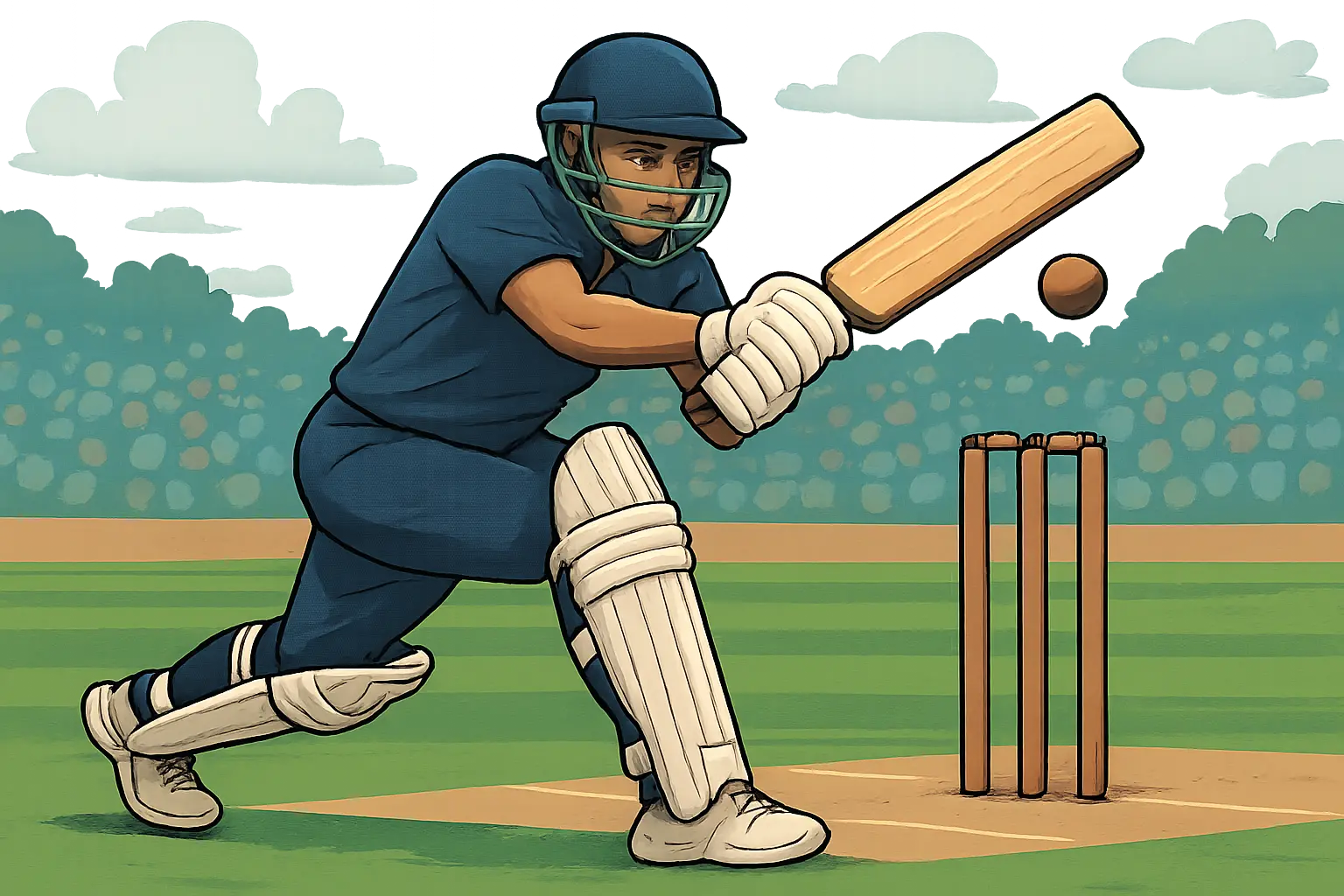
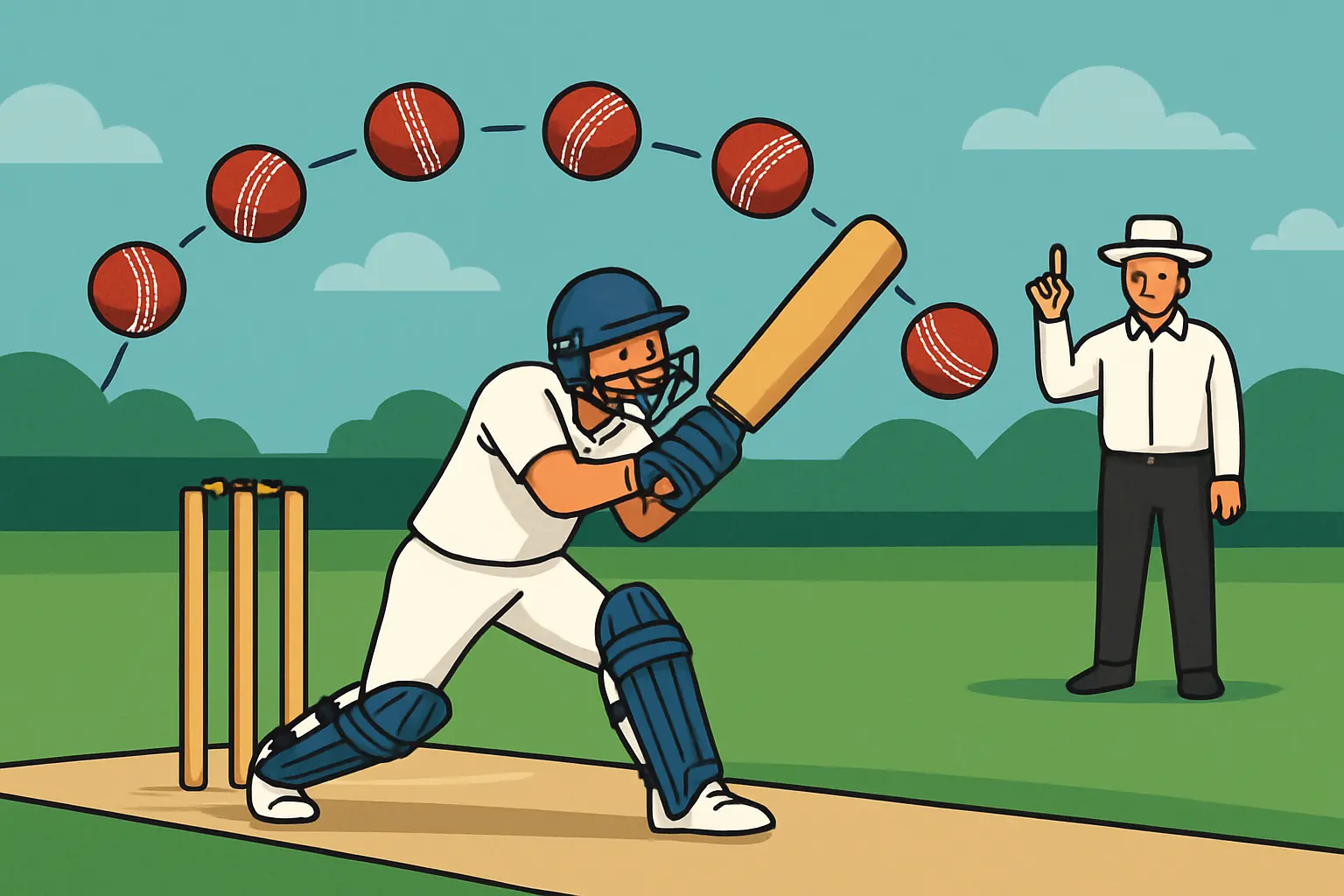
The stadium pauses a beat before the first one lands in the stands. By the third, even seasoned pros stop pretending to be blasé. By the sixth, everyone is standing, your palms sting from clapping, and it feels like cricket has bent its own laws for a minute. 6 ball 6 six — six sixes in an over — is the sport’s lightning strike. It’s rare, raw, and it happens without warning. As someone who has watched, reported on, and analyzed this game across continents and formats, I can tell you that nothing else quite unspools like a clean, perfect sequence of six swings and six maximums. This is the definitive evergreen hub on six sixes in an over: what it means, every verified instance across formats, why it happens, what it takes to pull off, which bowlers and venues are most vulnerable, and how 36 runs in an over compares with other over records. If you came searching for “who hit 6 sixes in an over,” “six sixes in an over T20,” or the backstory behind Yuvraj vs Broad and Gibbs at a World Cup, you’ll get it all here — plus context the record lists often miss. What “6 Ball 6 Six” Means (and What It Doesn’t)
Complete, Verified List of Six Sixes in an Over (by format)Below is the consolidated, fact-checked list of six sixes in an over in recognized top-level cricket. Entries include batter, team, opposition, format, bowler, venue, and the broad phase of the innings to frame tactical context. Dates and years are intentionally excluded here to focus on match scenario and to keep the list evergreen and readable. International cricket (ODIs and T20Is)
First-class (red-ball domestic)
Top-flight domestic T20 leagues
This list reflects the recognized, documented instances across international cricket, first-class, and prominent franchise T20 competitions. It excludes non-first-class second XI or age-group cricket and friendly matches where the feat may also have occurred. As of today, six sixes in a Test match over has not happened. Iconic Instances and Why They Still ReverberateThese aren’t just entries on a record sheet; they were lightning bolts in very specific skies. The pattern you’ll notice as we go: most of these overhauls weren’t dumb slogging. They were embedded in match context — the bowler’s method, the boundary size, the wind, the field, the batter’s rhythm — and they exploded because two or three of those variables aligned perfectly. Yuvraj Singh vs Stuart Broad — the fury of rhythm
Herschelle Gibbs vs Daan van Bunge — the cleanest strike through spinFormat and stage: ODI at a global tournament; middle overs. Gibbs didn’t muscle; he timed. For legspin to be effective against a hitter, you need dip, bite, and a big boundary. On that surface and day, van Bunge’s legbreaks and sliders sat up fractionally. Gibbs’ still head and three distinct hitting zones turned an innocuous middle-overs over into 36. Kieron Pollard vs Akila Dananjaya — a switch flippedFormat and stage: T20I, early overs. Dananjaya had just taken a hat-trick. Confidence brims, but against Pollard, overconfident loop on a good batting surface is gasoline. Pollard’s method: minimal footwork, maximum leverage. The over showcased how a heavy-hitter can remove spin from the equation — batting as if the offspinner had become a slow throwdown. Jaskaran Malhotra vs Papua New Guinea — death overs done rightFormat and stage: ODI, final over. The field was defensive; the bowler missed yorkers and slid into slot length. Malhotra’s swing path stayed vertical, which is non-negotiable when the bowler is angling the full ball into off stump. No panic, no wandering across, just clean extension. Sobers, Shastri and domestic flairSir Garfield Sobers vs Malcolm Nash: Nash was experimenting with left-arm spin that afternoon; Sobers read trajectory early and met the ball high. Ravi Shastri vs Tilak Raj: Shastri’s young powerbase punished a wrong length. Ross Whiteley, Hazratullah Zazai and Leo Carter each displayed how angle, intent and tempo can combine to produce six sixes in a single over in domestic T20. The Anatomy of a 36-Run Over: Tactics, Match-Ups, and Micro-errorsSix sixes aren’t a coin flip; they’re a confluence. Here’s what repeatedly shows up in video and ball-by-ball breakdowns when you strip the romance and look at the math and mechanics. Bowler type and line
Boundary geometry and windShort square boundaries plus cross-breeze elevate risk exponentially. Grounds in the Caribbean and Sharjah exhibit both. Left-handers feast when the shorter side is leg-side with a wind assisting that carry. Phase of the innings
Field settings that invite disaster & mental compressionStatic fields after back-to-back sixes are negligent. After two sixes, adrenaline surges and the mind says “nail the yorker” — the body rushes and release is fractionally early. Captains must buy time, switch field, change angle and slow everything down. Who Conceded 6 Sixes in an Over (and what they bowled)
The Record Angles that Matter
How Many Players Have Hit Six Sixes in an Over?Counting only recognized top-tier cricket across international formats, first-class, and leading domestic T20 leagues, at least nine different batters have achieved six sixes in an over. The list above is your verified roll call. Six Sixes by Format: Frequency and Texture
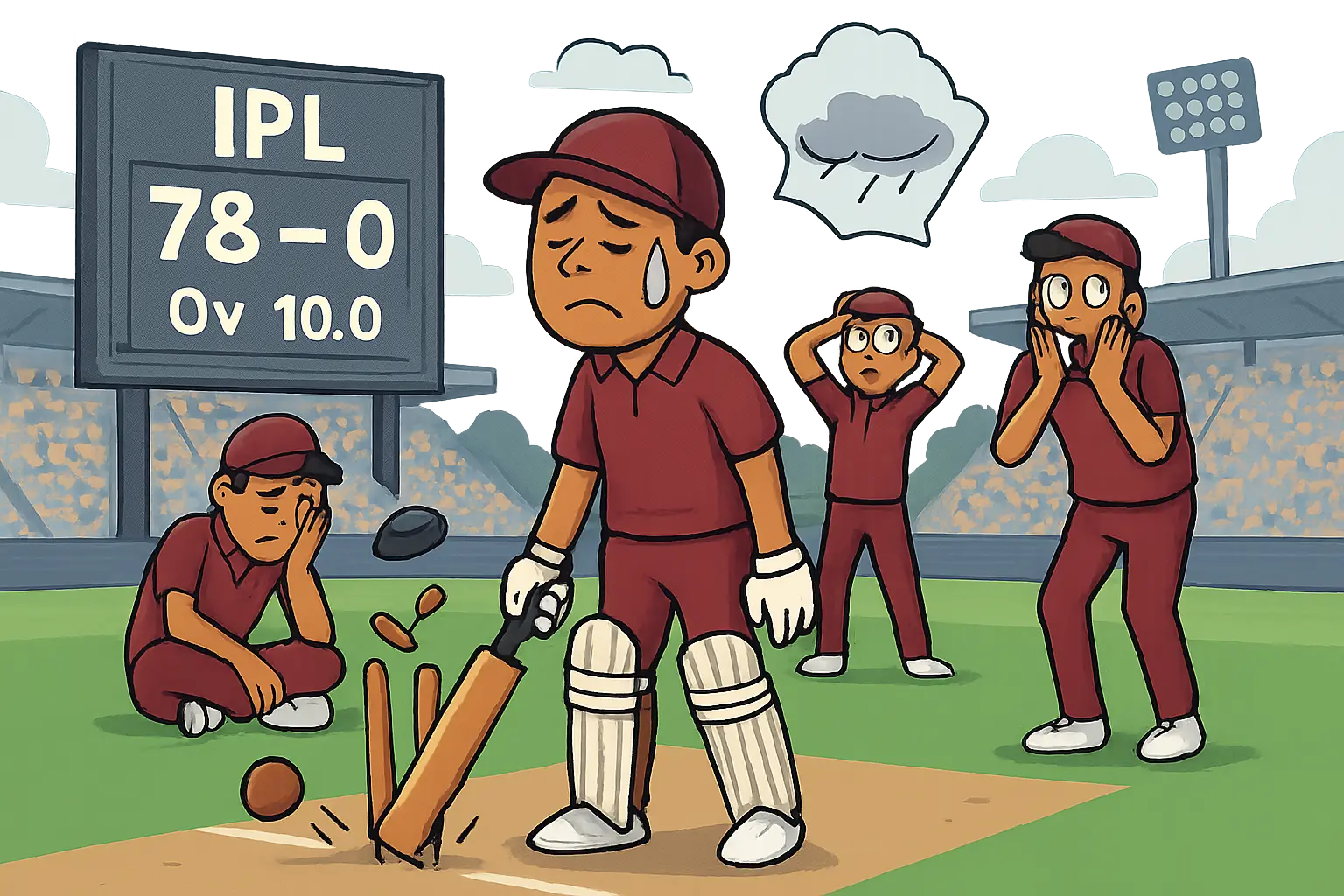
Left-Handers vs Right-Handers: An under-discussed splitFrom the verified list here, left-handers are overrepresented (roughly six left-handers to three right-handers). Lefties can make leg-side thumps look inevitable when bowlers angle in, especially from left-arm spin combined with shorter square boundaries. Spin vs Pace: What the numbers whisperSpin conceded the majority of six-sixes overs across the formats listed. Among spinners, left-arm orthodox and legspin appear most often as the conceding discipline. Pace shows up in late overs and powerplays where the plan is yorker/wide-yorker. Six Sixes in the IPL: Has it happened?
Most Runs in an Over by Format: Where 36 Sits36 has been reached via six-sixes in T20Is and ODIs and in first-class/domestic contexts; overs can exceed 36 with extras. Pure six-sixes remain rare, reinforcing how difficult it is. Most Sixes in an Over vs Most Sixes in an InningsOver-level brutality and innings-long demolition are separate skills. Six sixes in an over is the ultimate burst. Most sixes in an innings measures endurance and repeating mechanics against varying bowlers and fields. Why Captains and Analysts Obsess Over This RecordBecause it’s preventable. Teams keep boundary maps, wind arrows, batter “zones,” and micro-splits by bowler type. Six sixes usually point to a plan that failed to adjust: mismanaged matchups, late reactions, or telegraphed length. Bowling Plans That Usually Survive the Storm
Batting Mechanics: What Six-Hitters Do Differently
Grounds Where the Feat Is More Plausible & Why You’ll Rarely See It in a TestShort square boundaries, cross-breeze and hard true pitches make the feat likelier. You’ll rarely see it in a Test because fields sit deep earlier, bowlers can vary tempo without match pressure, and captains deny the batter’s preferred arc ruthlessly. 36, 32, 34… What Separates Them36 is perfect symmetry: six legal balls, six maximums. 32–34 are death-over breakdowns where a single dot or single interrupts the perfection. In coaching rooms, 36 is filed under “system failure”; 32–34 under “execution lapse.” Player Snapshots and Match Texture (Quick)
Most Runs in an Over, League SnapshotsIPL’s highest over total sits at 37 (including extras). CPL, PSL and BBL see overs exceeding 30 frequently; six-sixes remain rarer due to smarter match-ups and rapid captain reactions. Myths and Edge Cases
The Bowling Autopsy: What Fails Most Often
The Batter’s View: How to Build a Six-Sixes Over
Venues and Micro-conditionsDew, foot-holes and night conditions matter. Dew kills spin assistance; cratered landing areas make yorking unpredictable. Small swings in these micro-conditions can flip an over from tidy to catastrophic. Comparisons to Other Rare FeatsBack-to-back hat-trick and six sixes in the same match has happened in paradoxical sequences; seven sixes in an over can occur when a no-ball is included — but that’s a different narrative to the pure six-sixes story. Regional/Vernacular CornerFans search with local terms: 6 ball 6 chhakka, 6 ball pe 6 six, ek over me 6 six, or 36 run ek over. The object is the same: a moment that explodes an over and redraws a match. FAQ — Short, Straight Answers
Coaching Takeaways: Minimizing the Odds of a 36-Run OverFor captains:
For bowlers:
For batters: Don’t chase early; own your arc; read the bowler’s tells and trust your premeditated zone. Match Situation Overlays & Why Six Sixes Captures Fans Differently Than Any Other RecordAfter a wicket, after a hat-trick, or in desperate chases, the risk of oversized overs rises. Six sixes compresses thrill into under a minute of bat-meets-ball: you feel every decision point, every field, and every breath. Key Takeaways in One Place
Sources and Verification NotesAll instances and contextual details referenced here track to authoritative scorecards, reports, and archives from ESPNcricinfo, Wisden, and ICC media resources, cross-checked with domestic competition operators where relevant. ClosingThe over starts like any other — marker tapped, field nudged a step, a quiet from the crowd. Then it doesn’t. Six balls later, the boundary boards are tired of being hit, the bowler’s eyes are searching for ground, and the batter has stepped into a tiny patch of cricketing immortality. 6 ball 6 six is a once-in-a-season lightning strike. When it hits, it alters matches, careers, and the shape of your memory about a ground forever. And until Test cricket sees one — a challenge that lingers like a dare — every format will keep its eyes peeled for the next over that vanishes in six swings. — Definitive guide compiled from match reports, scorecards and editorial analyses. |