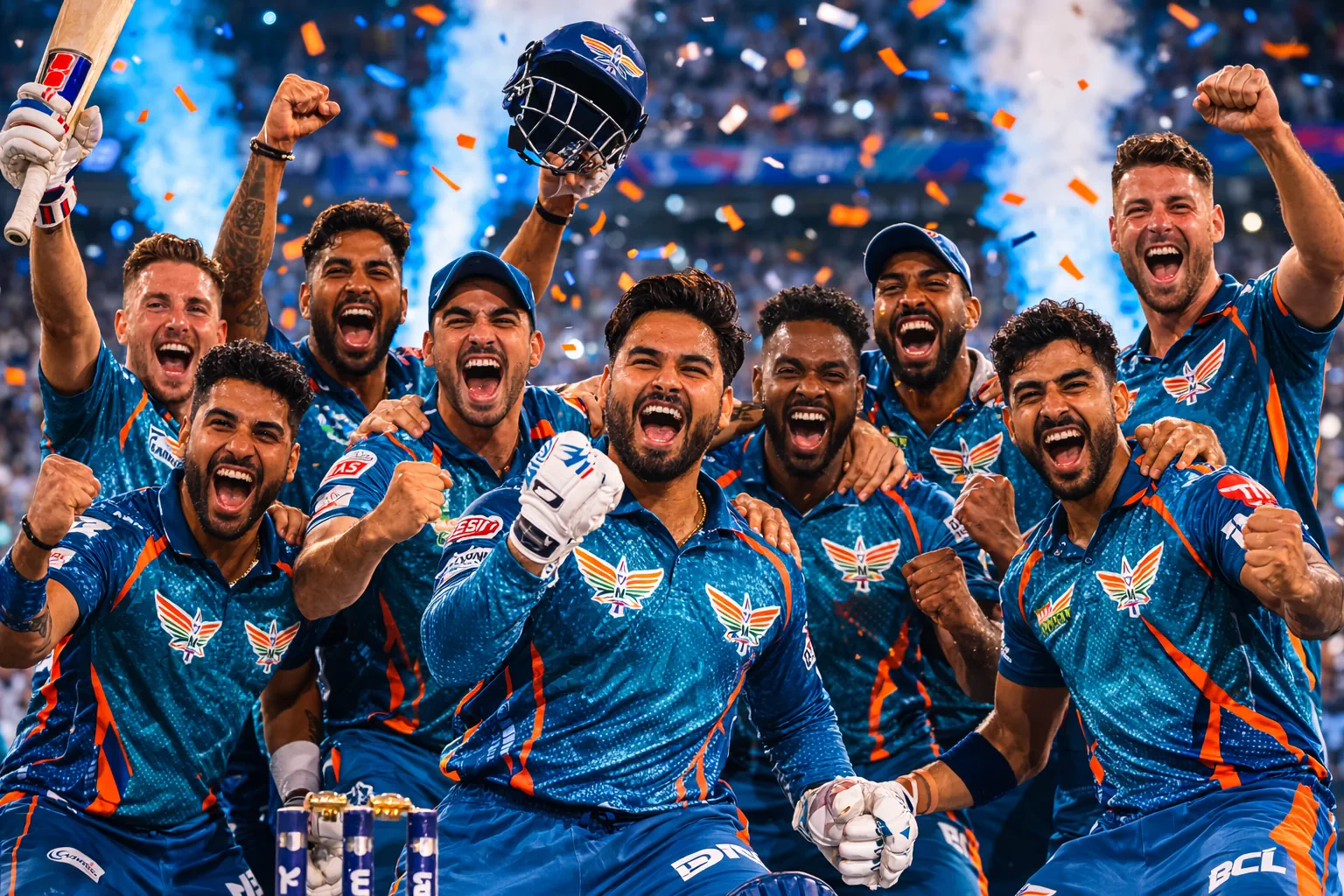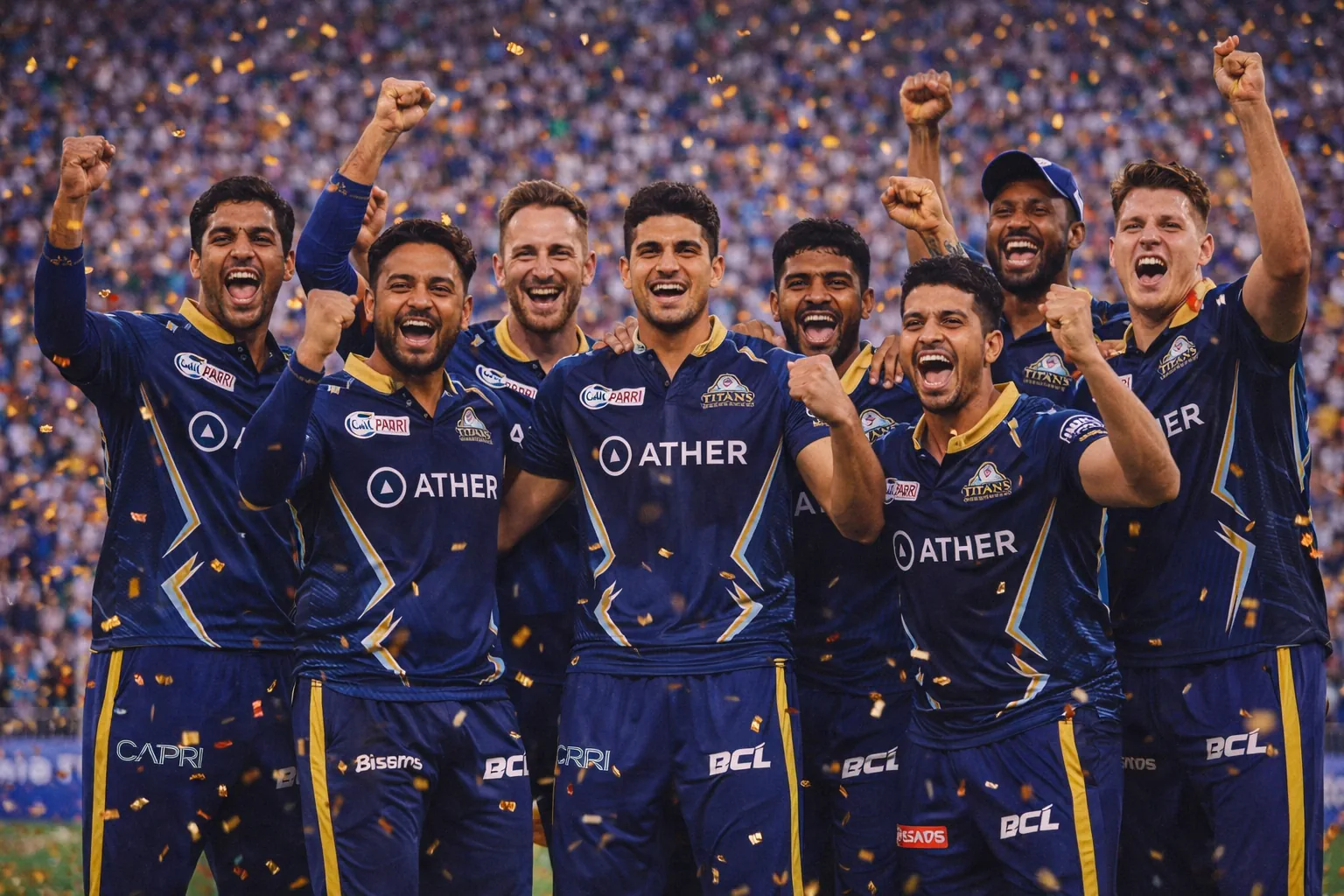

There are two scoreboards in the IPL. One lives on the giant screen at midwicket, tallying boundaries and wickets. The other sits in boardrooms and valuation models, where brand equity, revenue streams, and market expansion add up to something just as decisive: who is the richest IPL team. When the trophy is locked away and the floodlights go dark, the league’s economic league table quietly resets, shaped by the churn of sponsors, the surge of digital engagement, and the persistent pull of iconic players. This is where the IPL’s magic becomes a business case study—and where “most valuable” is not a headline but a measurable reality.
This deep dive is written from the perspective of someone who has tracked cricket and sports business for years from the boundary line and the balance sheets. It explains exactly what “richest” means in the IPL context, how valuations are calculated, how teams actually make their money, and why some clubs—particularly Chennai Super Kings and Mumbai Indians—keep finding themselves at the top of every list. You’ll get team-by-team analysis, owner insights, and a methodology grounded in the best-known valuation sources for the league.
What “Richest” Means: Brand Value vs Revenue vs Auction Purse
Before calling any side the richest IPL team, it’s critical to separate three ideas that often get jumbled together:
- Brand value: A financial estimate of how powerful a team’s brand is as an intangible asset. Leading firms such as Brand Finance and Kroll (previously Duff & Phelps in this domain) calculate the present value of future earnings specifically attributable to the brand—things like sponsorship uplift, licensing, and fan monetization that wouldn’t exist in the same way without the badge on the shirt. This is not the same as how much cash the team has, nor is it the entire enterprise value of the business. Think of brand value as the economic premium of trust, recognition, and affinity.
- Revenue: The money a team actually earns in a season from the IPL central pool (broadcast and league sponsorship), local sponsorships, ticketing and hospitality, merchandise and licensing, and other commercial deals. Revenue moves with performance, market size, sponsor deals, matchdays, and fan engagement.
- Auction purse: The regulated spending limit on player salaries in the auction. This purse is set and equalized by the league. A team cannot exceed it, regardless of how wealthy its owners are. The purse is not a proxy for how rich a team is. It’s a cap ensuring competitive balance.
It’s easy to see why media and fans mix these up: big brand value often correlates with big revenue and star players. But they are different instruments. When we rank the most valuable IPL team, we’re talking about brand value (the accepted way to compare “richness” of the franchise identity) informed by revenue performance and commercial power.
Sources and Methodology: How Independent Firms Value IPL Franchises
Two names dominate the IPL valuation conversation:
- Brand Finance: Uses a royalty-relief methodology to calculate brand value. In short, the model estimates a hypothetical royalty rate a business would pay to license the brand if it did not own it, applies that to forecast revenue streams attributable to the brand, and discounts the cash flows to present value. It also factors in brand strength (awareness, consideration, loyalty), market size, and risk. Brand Finance publishes an IPL report that ranks the franchises by brand value and summarizes league-wide brand health.
- Kroll (formerly Duff & Phelps for IPL valuations): Applies a blend of revenue multiples, comparable sports franchise deals, and brand-based discounting to estimate the value of team brands. Kroll’s approach triangulates commercial reality (revenues, sponsorship contracts) against intangible brand strength indicators.
Because each firm uses its own assumptions and data sources, exact numbers can differ. But across reports, the leaderboard tends to converge. CSK and MI typically fight for the top spot, RCB chases close behind on the back of extraordinary digital engagement, and KKR, SRH, RR, DC, PBKS, GT, and LSG fill out the table with shifts that reflect performance, market activation, and sponsor rosters.
The Latest Picture: Who Is the Richest IPL Team Right Now
Taking the latest public valuations from Brand Finance and Kroll, plus conversations with team commercial managers, media buyers, and sponsorship leads, the pecking order remains clear at the top. Chennai Super Kings and Mumbai Indians sit neck-and-neck, with CSK holding a narrow edge in most independent reports. RCB continues to punch above its on-field record thanks to the Virat Kohli effect and social reach that sponsors adore. KKR benefits from celebrity ownership and a major metro market. Newer teams GT and LSG have closed the gap surprisingly quickly with massive home markets and strong early adoption.
Indicative Brand Value Ranges (USD), latest cycle
Note: Ranges reflect the spread between methodologies and the swing in deal renewals. They are rounded and directional, not legal valuations. Currency conversions vary by report.
- Chennai Super Kings (CSK): approximately $200–250 million
- Mumbai Indians (MI): approximately $190–240 million
- Royal Challengers Bangalore (RCB): approximately $180–230 million
- Kolkata Knight Riders (KKR): approximately $170–210 million
- Sunrisers Hyderabad (SRH): approximately $150–190 million
- Delhi Capitals (DC): approximately $140–180 million
- Rajasthan Royals (RR): approximately $140–180 million
- Gujarat Titans (GT): approximately $130–170 million
- Lucknow Super Giants (LSG): approximately $130–170 million
- Punjab Kings (PBKS): approximately $120–160 million
Why ranges? Sponsor cycles and league-level revenues have lumpy renewals; a handful of category-leading deals can swing a brand valuation tens of millions. Media-rights cycles and fresh title sponsors also move the tide for all boats. Different models weigh fan sentiment, performance, and market risk differently. Yet the ordering, especially at the top, has been consistent.
Team-by-Team Breakdown: What Drives Each Brand’s Value
Mumbai Indians (MI) brand value: scale, systems, and a mature commercial engine
MI is the quintessential modern cricket franchise. Backed by Reliance, with Nita Ambani as the chair of the sports and youth arm, the team pioneered many of the systems now standard in the league: data-led scouting across domestic pathways, a global sister-club strategy through the MI family in other T20 leagues, and an integrated content machine that never switches off. The Wankhede matchday is a sponsor’s dream—affluent urban demographics, prime-time content, and iconic visuals. MI’s commercial roster is consistently premium, spanning financial services, tech, FMCG, and lifestyle categories.
The biggest advantages:
- Multi-club synergies: MI’s network effect compounds brand exposure for commercial partners across formats and geographies, giving them a global cricket audience from one group buy.
- Player equity: A revolving cast of marquee Indian internationals, plus overseas superstars, keeps MI at the center of conversation.
- Content and community: MI’s digital team runs year-round shows, docu-style series, micro-content, and youth programs. That content IP enhances brand equity and monetization.
Chennai Super Kings (CSK) brand value: trust, continuity, and the power of yellow
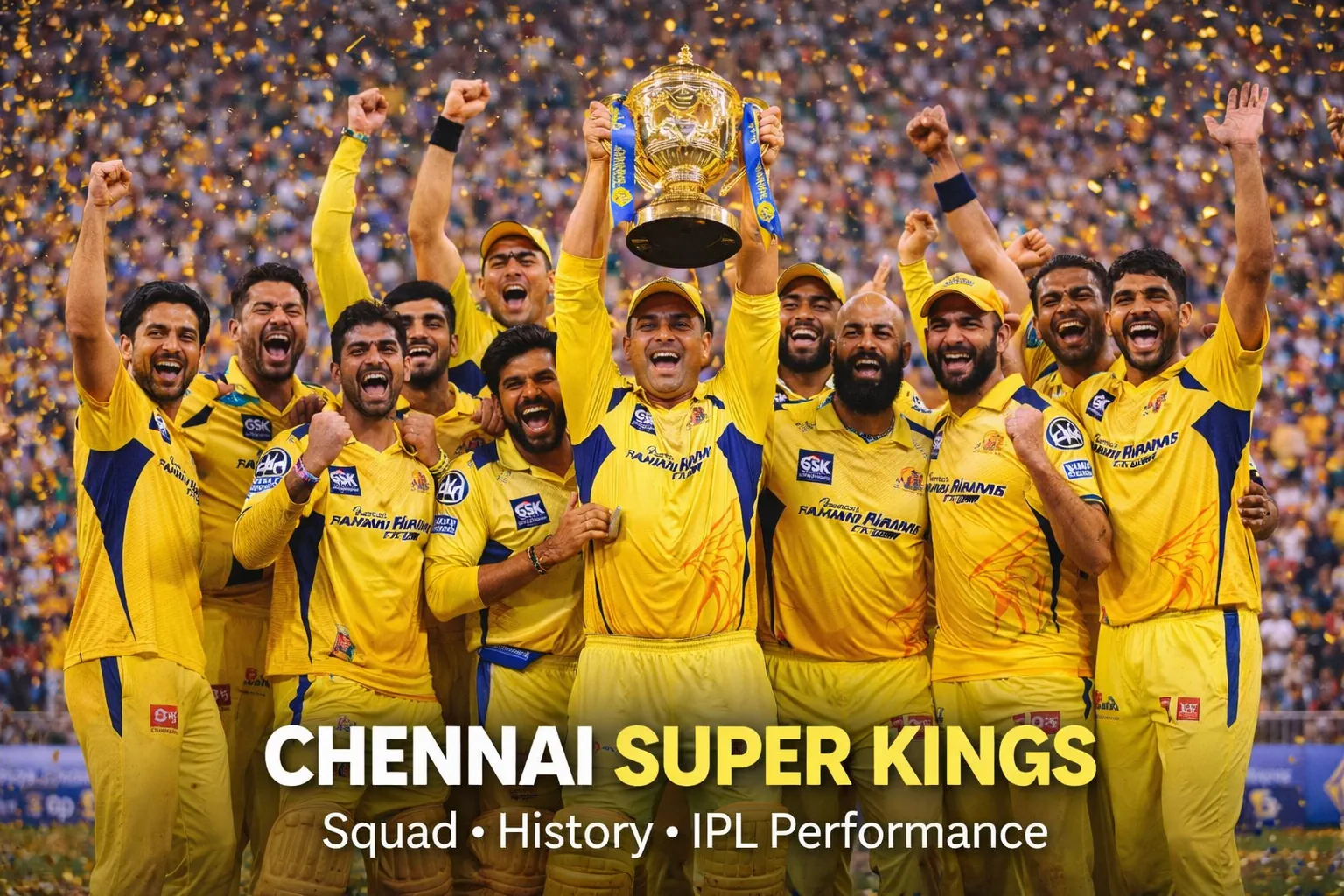
CSK is the case study for what brand marketers call “distinctive assets.” The yellow jersey is a visual code; the “Whistle Podu” chant is an auditory anchor. This is consistency by design. Ownership stability through the India Cements/Chennai Super Kings Cricket Limited structure meant the club made long-horizon decisions: build a culture around certain players, keep its tactical core through cycles, and invest in a regional identity that transcends match outcomes. Even when rivals reset their squads, CSK’s spine—on field and off—has felt familiar.
The drivers:
- Fan loyalty: Few teams enjoy CSK’s bounce-back resilience in brand sentiment. A tough season dents the mood, but loyalty barely wobbles.
- Regional dominance: CSK’s pull stretches across Tamil Nadu and the diaspora. Regional sponsors see it as a first-choice platform. Ticket demand is evergreen.
- Leadership halo: The presence of a captain figure with a near-mythic fan connection became a commercial flywheel. The brand’s credibility with families and mainstream advertisers is unusually high.
Royal Challengers Bangalore (RCB) brand value: virality and star-led charisma
RCB proves you don’t need a trophy cabinet to build an elite brand. What you need is charisma, content, and a fanbase that acts like a movement. RCB’s social reach is enormous. The club’s visual identity is premium; its brand partnerships often target digital-native consumers. Star power—especially the long-running magnetism of Virat Kohli—translates to monstrous awareness and purchase intent. For many national brands in India, if you want upper-funnel blitz and social buzz, you call RCB’s sales team.
Key levers:
- Digital-first strategy: The club treats every training clip like a product launch. Sponsors value the speed to audience and the creative latitude.
- Urban youth appeal: RCB’s fashion lines, influencer collabs, and music tie-ins make it unusually relevant beyond cricket days.
- Sponsor outcomes: Categories with short purchase cycles—food delivery, fintech, e-commerce—thrive on RCB’s audience. That creates a virtuous cycle of renewals.
Kolkata Knight Riders (KKR) brand value: celebrity, culture, and Eastern market power
KKR has always had a unique ingredient: the stardom of Shah Rukh Khan and the ethos of Kolkata. That blend makes the brand aspirational and warm at the same time. It plays to a broad spectrum of advertisers: premium mass to luxury, national to regional. KKR leans into filmic storytelling, bold design, and community initiatives that keep it close to the city’s culture. The franchise is also part of a multi-league group with overseas teams, which multiplies digital and commercial reach.
Commercial pillars:
- Star-led recall: The celebrity ownership adds outsized PR value; sponsors don’t have to work as hard to seed campaigns.
- Metropolis advantage: A storied stadium, a vast state market, and deep regional loyalty give KKR a resilient local commercial base.
- Group ecosystem: International brand extensions broaden partner exposure.
Sunrisers Hyderabad (SRH) brand value: stability, rebuilding, and strategic scouting
SRH’s commercial story is one of methodical rebuilding cycles. The brand benefits from a large home market with passionate cricket culture and cost-effective fan activation. Owner backing through the Sun Group brings media synergies and a disciplined approach to sponsor management. While SRH doesn’t always generate the same headline buzz as the top three, its mid-table brand value is far from modest; the franchise often overdelivers on sponsor ROI because local engagement metrics are strong and cost per impression is favorable.
Why SRH works:
- Regional scale: Telangana and Andhra Pradesh fans are loyal and vocal. Regional language content performs strongly across platforms.
- Thoughtful roster construction: Smart, sometimes contrarian auction strategies keep SRH in contention, which matters for sponsor perception.
- Media synergy: Ownership in media gives SRH storytelling channels that add value to partners beyond matchdays.
Delhi Capitals (DC) brand value: metro reach, youth appeal, and co-ownership heft
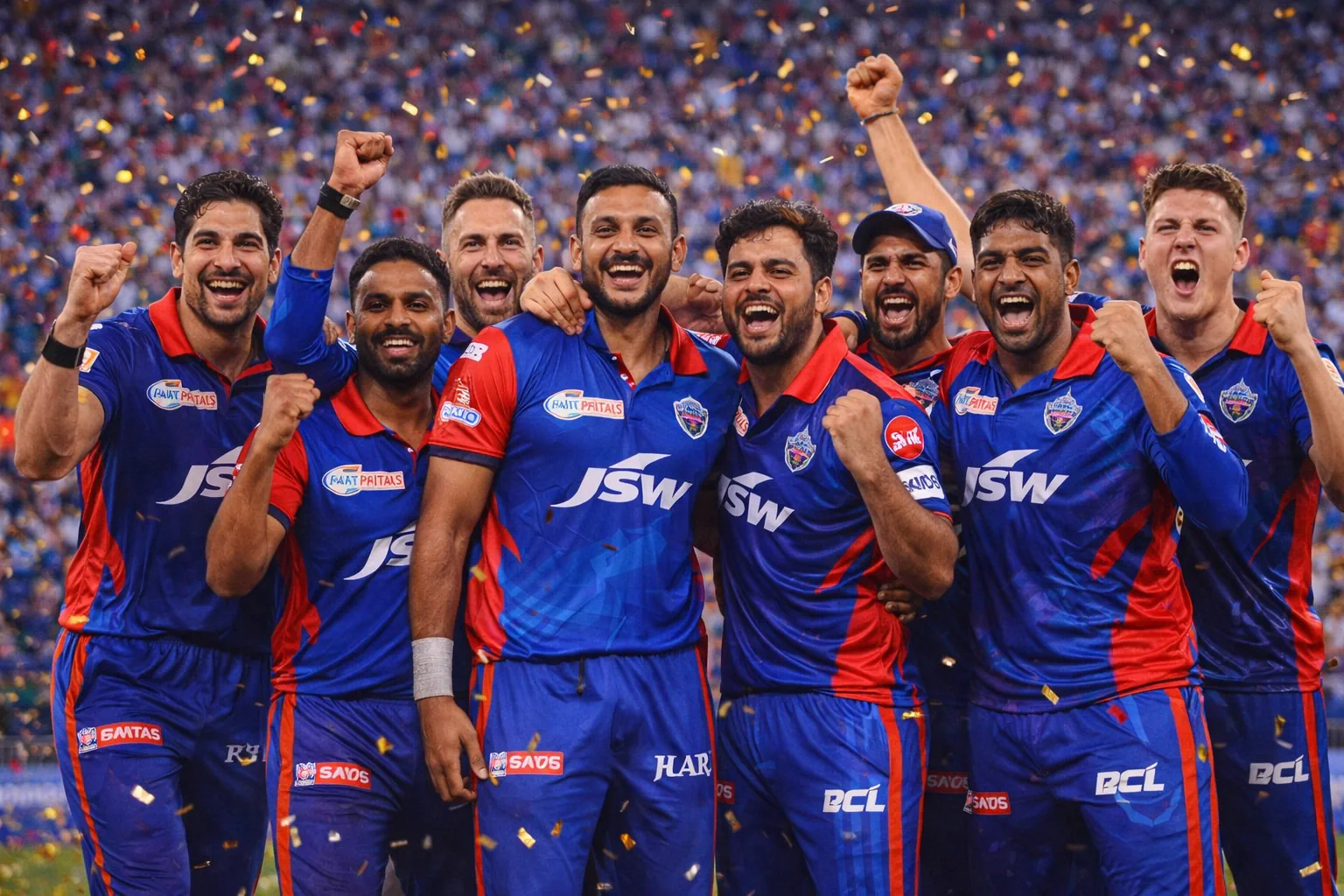
Delhi is home to decision-makers and trendsetters—fertile ground for a brand that has leaned into youth and innovation. The JSW–GMR co-ownership brings industrial scale and sports management acumen. DC’s branding feels modern, its content voice witty, and its commercial book strong, particularly in categories that prioritize brand safety and polished creative. A run of playoff appearances in past cycles helped, as did a strategy of nurturing young Indian talent.
Commercial differentiators:
- Capital city platform: Government, corporate headquarters, and media proximity give DC a unique event and hospitality edge.
- Youth pipeline: Investing in youth academies and emerging talent aligns with brands targeting aspiration and education segments.
- Balanced sponsor mix: A smart blend of national and regional brands prevents overdependence on a single category.
Rajasthan Royals (RR) brand value: data DNA and underdog charisma
The Royals were early evangelists of analytics in T20 cricket. That personality—savvy, value-seeking, and inventive—has become a brand positioning. RR often sign partnerships in tech-forward categories, sports science, and education. The Jaipur fanbase is passionate, and the pink brand identity is distinctive in a crowded visual field. On-field, RR has produced a steady stream of elite players whose individual brands feed back into the mothership’s equity.
Strengths:
- Clear identity: RR knows what it stands for and markets that ruthlessly.
- Community programs: Grassroots initiatives across Rajasthan build long-term affinity.
- Player development: The perception that RR “discovers” value creates media attention that benefits sponsors.
Punjab Kings (PBKS) brand value: big market, untapped upside
PBKS carries the cultural power of Punjab and a diaspora that spans continents. The franchise has cycled through brand identity tweaks, which has pros and cons: freshness on one side, lack of long-term distinctive assets on the other. Commercially, PBKS is a sleeping giant. With a consistent on-field product and a more stable creative direction, sponsor confidence—and therefore brand value—can jump.
What’s promising:
- Diaspora leverage: From UK to Canada, Punjabi cultural festivals and businesses offer a unique partnership universe.
- Music and sport crossover: Tie-ins with Punjabi music and lifestyle brands can unlock non-traditional revenue.
- Regional pride: Few regions support their icons as fiercely; the opportunity is to convert that into repeatable commercial frameworks.
Gujarat Titans (GT) brand value: fast start, mega-stadium economics
GT hit the league at pace. A combination of strong leadership, clever talent assembly, and immediate results created brand momentum that expansion teams rarely enjoy so early. Playing out of the world’s largest cricket stadium adds a commercial dimension: matchday capacity, hospitality suites, and corporate entertaining that can dwarf other venues in absolute terms. The western India business ecosystem is another plus—financial services, manufacturing, and tech firms hungry for storytelling platforms.
Key levers:
- Venue scale: When you can host massively attended matches with premium hospitality, you grow sponsor satisfaction and local revenue.
- Early postseason relevance: Deep runs boost prime-time exposure for partners and lift brand affinity.
- Western corridor: Access to enterprise-heavy markets helps close big, multi-year deals.
Lucknow Super Giants (LSG) brand value: organized, well-financed, and family-friendly
LSG brings a well-capitalized, professionally managed ownership group to a region with enormous growth potential. From day one, the franchise built a family-friendly brand with clean visual identity and a focus on consistency. The Lucknow market connects to a vast Hindi-speaking audience. Combine that with disciplined operations and a thoughtful roster, and you get a brand value curve that trends upward more quickly than most new entrants.
What’s working:
- Ownership credibility: RPSG’s track record gives sponsors confidence in delivery and governance.
- Regional resonance: Hindi heartland brands—and national brands chasing that audience—see LSG as a strategic buy.
- Commercial hygiene: Quick responses, integrated rights packages, and clear measurement keep partners renewing.
MI vs CSK Brand Value: Which Is Richer?
The short answer: In the latest independent brand valuation reports, CSK edges MI by a narrow margin. The spread is small enough that a single sponsor renewal at a higher rate, a deep title run, or a breakout season in digital metrics can flip the order. The deeper answer: they are built differently.
- CSK relies on trust capital and continuity. The fan-to-brand relationship is almost familial. That sentiment drives high brand strength scores, which boosts the brand value calculation even if certain revenue line items lag MI in absolute terms.
- MI leans on scale and sophistication. The multi-club web, marquee venue, and hyper-professionalized commercial operation make MI a juggernaut in sponsorship and content value. MI often posts the highest or near-highest commercial revenue.
Is MI richer than CSK? If you frame “richer” as brand value, CSK currently holds the crown by a thin line in most models. If you frame it as commercial firepower and potential to monetize across markets, MI is at least level and in some cycles ahead. Both truths can be correct depending on your lens.
Owners and Money: Richest IPL Team Owner and Net Worth Context
IPL franchises are backed by industrial groups and prominent individuals whose personal fortunes and corporate balance sheets dwarf team-level revenues. What matters here is not bragging rights over net worth, but the resources available for long-term investment in people, infrastructure, and data.
- Mumbai Indians (Reliance): The Reliance group is one of India’s largest business houses, and Nita Ambani is the most visible sports entrepreneur in the league. Reliance’s capital strength doesn’t change the auction purse, but it enables world-class analytics, top-tier content production, and global brand-building across sister franchises.
- Chennai Super Kings (India Cements/CSKCL): N. Srinivasan’s stewardship ensured the franchise prioritized continuity and governance. The group’s stability helped CSK weather cycles that could have hurt weaker brands.
- Kolkata Knight Riders (Red Chillies Entertainment, Shahrukh Khan; partners): Shah Rukh Khan’s star power is not just vanity—it opens doors with advertisers and media worldwide. The group’s cross-entertainment know-how makes KKR unusually savvy in content monetization.
- Sunrisers Hyderabad (Sun Group; Kalanithi Maran): Media ownership brings distribution muscle and creative capacity. SRH’s leadership has run a tight ship operationally, a hallmark sponsors appreciate.
- Lucknow Super Giants (RPSG Group; Sanjiv Goenka): Well-capitalized and professionally structured. LSG’s investor reputation has helped it attract premium sponsors right from launch.
- Gujarat Titans (CVC Capital Partners): A global private equity firm’s discipline applied to sports operations tends to produce crisp governance and commercially savvy execution.
- Delhi Capitals (JSW and GMR): Two infrastructure and industrial giants co-own the team, bringing corporate clout and experience in large-scale operations.
- Rajasthan Royals (Emerging Media; investor consortium): The Royals’ investor mix has institutional experience in sport and media, which aligns with their analytics-forward culture.
- Punjab Kings (KPH Dream Cricket Pvt. Ltd.; Mohit Burman, Ness Wadia, Preity Zinta, others): Diverse ownership, both corporate and celebrity, with deep ties to consumer markets.
- Royal Challengers Bangalore (United Spirits/Diageo): Backed by a global beverages company, giving the club a natural fit with FMCG and lifestyle categories.
If you forced a ranking of owners by net worth, MI’s backers sit at the top by a wide margin. But remember: owner wealth doesn’t make a team “richer” under league rules. It does, however, allow for broader investments that expand brand value over time.
How IPL Teams Make Money: The Revenue Engine Explained
Understanding the revenue model is the simplest way to explain why some teams are consistently the most valuable. IPL team revenue typically breaks down into these buckets:
- Central revenues from the league:
- Broadcast rights: The league sells media rights domestically and internationally for astronomical sums. The central pool is distributed to teams—there is an equal share plus components that reward performance and market delivery.
- League sponsorships: Title sponsor, associate partners, and category sponsors pay the league; teams receive a share.
The current media-rights cycle is one of the world’s richest in sport, with combined TV and digital rights far exceeding what most cricket leagues could dream of. That guarantee of central income underwrites team stability.
- Team sponsorships:
- Principal and jersey sponsors: Front-of-shirt, back-of-shirt, and chest or sleeve brands, often multi-year deals.
- Digital and content integrations: Logo placements, content series brought to you by X brand, influencer tie-ins with players.
- Stadium and matchday partners: On-ground visibility, LED boards, boundary ropes, stands, and special zones.
The top teams command premium pricing and longer tenures. MI, CSK, and RCB especially enjoy waiting lists for marquee inventory.
- Ticketing and hospitality:
- Matchday revenue: Gate receipts. Some stadia are smaller; some gigantic. Hospitality suites and corporate boxes can out-earn general seats.
- Premium experiences: Toss-view lounge, post-match meet-and-greets, curated culinary experiences.
Venue capacity and demand elasticity matter. GT’s mega-stadium is a commercial weapon. CSK’s and MI’s unquenchable ticket demand boosts yields.
- Merchandising and licensing:
- Official kits and fanwear: Seasonal refresh, collaborations, lifestyle drops.
- Licensing programs: Caps, bags, collectibles, and kids’ merchandise.
Retail in India has hit its stride with e-commerce. RCB and CSK in particular turn fashion into identity; fans buy not just gear but belonging.
- Academies and grassroots:
- Training programs, junior leagues, and scouting events: Some are revenue-neutral; others generate fees and sponsorship.
These programs aren’t huge on the P&L but are massive for lifetime value of fans and community roots.
- Content and media IP:
- Docu-series, branded shows, podcasting, short-form content syndication.
The media mindset inside teams has matured. Rights packages often include content deliverables, letting teams monetize their own audiences directly.
A note on profitability: Valuation is not the same as profit. Startup logic applies—teams invest in growth for brand equity and future monetization. With central rights surging and commercial savvy rising, a growing subset of teams run at or near operating profitability in a typical season.
Prize Money, Broadcasting Split, and What That Means
Prize money is not the main meal; it’s dessert. The league’s prize distribution rewards playoff runs and the title, but compared to sponsorship and central broadcasting income, it’s a smaller share of a top team’s revenue. Broadcasting split has more heft. Teams receive an equal share of the central pot plus merit-based components that depend on finishing positions and market delivery metrics. That mix ensures floor income for weaker teams and outsized gains for consistent contenders.
Auction Purse vs Team Value: Don’t Mix Them Up
- The auction purse is fixed by the league. Every team has the same maximum to spend on salaries. Owners can’t add money to it. That’s why seeing a team spend big in the auction doesn’t prove it is richer—it just shows it used the full purse like everyone else.
- Valuation (brand value) depends on commercial power: how much the brand can command from sponsors, how many fans buy your merchandise, how sticky your content is, and how powerful your market is. CSK and MI are rich because their brands pull in revenue, not because they can bid more than others—because they can’t.
- Salaries are capped, so differentiation happens everywhere else: analytics investment, coaching staff, scouting networks, academy pipelines, medical and performance science, and content production. That’s where resource depth translates to competitive edges, both on-field and in the boardroom.
Year-on-Year Valuation Trends and What Changed Recently
Specific numbers move, but the trends are consistent:
- CSK’s trust premium: The brand enjoys a loyalty coefficient. It bounces back faster than others after a poor season, and it compounds value when in contention.
- MI’s systems moat: The multi-club strategy and content flywheel create a durable commercial moat. When central rights rise, MI’s local sponsorships tend to re-rate upward simultaneously.
- RCB’s social rocket: Even without titles, RCB keeps climbing on the back of digital engagement. It’s the poster child for modern sports marketing in India.
- Expansion teams growing fast: GT and LSG compressed their ramp-up cycle. Thanks to market size and professional ownership, they reached mid-table brand value faster than most expected.
- Broadcast-led tide: The league-level leap in media revenue is a rising tide. Teams with sophisticated sales machines translate that league goodwill into higher team sponsorship rates.
- Women’s cricket halo: Teams with aligned women’s franchises and integrated campaigns gain additional reach and brand safety points. That halo effect nudges valuations.
Valuation Sources Compared: Brand Finance vs Kroll
Both firms agree on the ordering more often than not. Disagreements come from:
- Brand strength weighting: CSK benefits from fan loyalty metrics; RCB benefits from digital engagement multipliers. Weighting those factors changes the gap.
- Revenue projections: Teams with more visible sponsor pipelines (MI, CSK) might earn more aggressive forecasts; teams with more variability see conservatism in models.
- Risk discounting: Market risk and operational risk are baked in differently. Ownership stability and governance lower the discount rate and lift valuation.
Brand Value vs Enterprise Value vs Market Price
- Brand value: The intangible asset value, essentially “what the logo is worth,” used here to rank the richest IPL team brands.
- Enterprise value: What the whole business is worth—assets, rights, and all commercial relationships. It’s much larger than brand value and would be the reference in a hypothetical sale.
- Market price: The actual price someone pays in the market, which includes scarcity premiums, strategic value to buyers, and other intangibles beyond models.
Team-by-Team Commercial Notes: Who Sells What Best
- MI: Deep bench of premium national sponsors, international tie-ins, and enterprise categories. Hospitality product is elite. Content licensing is world-class.
- CSK: FMCG and consumer durables love CSK’s family-friendly brand. Regional category leaders in South India pay a premium to ride the yellow wave.
- RCB: D2C and digital-native brands queue up for upper-funnel blitz. Influencer collabs and youth fashion push retail categories.
- KKR: Entertainment, lifestyle, and national brands seeking culture-led storytelling. Film and music tie-ins are natural.
- SRH: Regional leaders, telecom, and value brands. Strong regional TV and digital performance.
- DC: Edtech, BFSI, and tech services align with modern brand voice. Hospitality with policy makers and corporate suits adds unique value.
- RR: Sports science, analytics tools, education, and high-intent online services fit the brand DNA.
- PBKS: Food and beverage, music and lifestyle, diaspora brands. Huge upside with sustained on-field story.
- GT: Financial services, manufacturing, western corridor enterprise brands; mega-hospitality packages.
- LSG: Consumer staples and Hindi heartland brands; professionally packaged sponsor inventory.
Which IPL Team Has the Biggest Fanbase and Social Footprint?
On aggregate social media following and engagement, CSK, RCB, and MI form the top tier. RCB often leads on pure engagement spikes, especially during marquee player moments. CSK leads on brand love and sentiment. MI posts robust reach and polished narrative content across platforms. For sponsors, the mix matters more than a simple follower count: engagement rate, audience composition, and content formats drive outcomes.
Richest IPL Team Owner: A Clear Leader, But That’s Not the Point
If you measure personal wealth of owners, MI’s backers are in a different stratosphere than the rest of the league. But the richest IPL team owner doesn’t automatically mean the richest IPL team brand. The IPL’s genius lies in equalizing on-field spending through the purse while letting commercial creativity determine off-field value. The result is a marketplace where legacy, performance, content, and community all matter as much as deep pockets.
The Brand Value of IPL as a Whole
Independent assessments consistently categorize the IPL as one of the world’s most valuable sports leagues by media value per game. Aggregate valuations of the league’s ecosystem run into five, sometimes even low six, figures in billions of USD depending on methodology. The number that matters more than any headline figure is the structural trend: media rights keep re-rating higher, digital viewership scales faster than linear TV declines, and sponsor demand for live sport remains insatiable. In other words, the league’s macro story keeps pulling team valuations upward over time.
Sponsorship Revenue by Team: Who Tops the Charts?
- Top tier: MI, CSK, RCB. These teams typically close principal deals at the highest rates, sustain long tenures, and sell integrated rights that command premiums.
- Upper mid-tier: KKR, SRH, DC. High-quality renewals, diverse category mix, and strong regional activation.
- Mid-tier with upside: RR, PBKS, GT, LSG. Rapid growth potential, especially with consistent on-field narratives and expansion of non-matchday IP.
The category rotation is telling. BFSI, tech, mobility, and e-commerce continue to feature prominently. Consumer electronics and FMCG remain robust. New-age categories—fintech, edtech, gaming—wax and wane with funding cycles but still prioritize IPL as their loudest megaphone.
Does Winning the IPL Increase Team Value?
Yes, but not automatically and not forever. Titles create narrative energy, boost sponsor deliverables, and spike merchandise sales. That flows into valuation models. The effect is strongest for teams that marry winning with brand-building: a unique identity, distinctive assets, and content that keeps the story going in the off-season. A one-off title without a strong commercial engine yields a smaller valuation boost than a sustained contender with cohesive brand experience.
Regional Markets: Why Home Matters So Much
- Chennai and Tamil Nadu: A cohesive cultural identity and deeply loyal fanbase. Strong regional brands willing to pay for exclusive association.
- Mumbai and Maharashtra: Large, affluent urban market and a corporate headquarters hub. Hospitality and enterprise categories thrive.
- Bengaluru and Karnataka: Tech capital with digitally savvy youth. Perfect for D2C and app-first brands.
- Kolkata and Eastern India: Heritage, media, and cultural capital. Storytelling partnerships flourish.
- Hyderabad and Telangana/Andhra: Passionate cricket culture with robust regional media.
- Delhi and NCR: Corporate suites, policymaker access, and premium media.
- Rajasthan, Punjab, Gujarat, Uttar Pradesh: Rapid growth corridors with enormous long-term upside, particularly for consumer brands and local champions.
The right regional narrative can outweigh short-term on-field performance in commercial outcomes. That’s why some teams with fewer trophies often rank high in brand value: they own their city and speak its language.
Operational Excellence: The Hidden Driver of Richness
Behind every sponsorship with perfect timing and every viral content piece is a process. The richest IPL teams share operational traits:
- Integrated commercial orgs: Sales, marketing, content, and data sit together and share dashboards. Real-time optimization means better ROI for sponsors.
- Player media training: Athletes are brand ambassadors. The best teams invest in media coaching so player content is authentic yet effective.
- Data in decision-making: From pricing hospitality packages to allocating LED inventory, everything is measured and iterated.
- Governance and compliance: Major brands demand clean paperwork, transparency, and clear IP rights. Teams that deliver consistently keep big accounts.
- Community presence: CSR and grassroots aren’t just charity—they fuel lifetime fandom and create new inventory for regional sponsors.
Frequently Asked Questions (concise, snippet-ready)
Which is the richest IPL team right now?
Chennai Super Kings holds a narrow lead in most recent independent brand valuation reports, with Mumbai Indians extremely close behind. Both sit at the top by a clear margin.
Which is the most valuable IPL franchise?
By brand value, CSK and MI are the top two. The order can flip depending on methodology and the latest commercial renewals.
Is Mumbai Indians richer than Chennai Super Kings?
By brand value, CSK currently edges MI. By commercial firepower and multi-club scale, MI is at least neck-and-neck. The gap is small and can switch with one sponsorship cycle.
How much is CSK/MI/RCB worth?
- CSK: about $200–250 million
- MI: about $190–240 million
- RCB: about $180–230 million
Ranges reflect different methodologies and sponsor cycles.
Who is the richest IPL team owner?
Measured by personal net worth and corporate resources, Mumbai Indians’ ownership leads by a wide margin. Owner wealth doesn’t change the auction purse or the rules but can strengthen long-term brand-building.
How do IPL teams earn money?
From a share of central broadcast and league sponsorships, team-level sponsorships, ticketing and hospitality, merchandising and licensing, academies, and content/IP monetization.
Does the auction purse show how rich a team is?
No. The purse is set by the league and is equal for all teams. It limits salaries and ensures competitive balance.
Which IPL team has the highest sponsorship revenue?
MI, CSK, and RCB typically top sponsorship revenue. KKR, SRH, and DC follow closely. GT and LSG are catching up.
What is the brand value of IPL as a whole?
Independent estimates place the league in the multi‑billion‑dollar range, among the most valuable sports properties globally on a per‑game basis.
How is IPL franchise valuation calculated?
Brand valuation firms use methods like royalty relief and revenue multiples, factoring brand strength, projected earnings attributable to the brand, market size, and risk, then discounting to present value.
Which team’s value grew the fastest recently?
Among newer teams, GT and LSG accelerated quickly due to large home markets, early playoff relevance, and professional ownership. Among legacy teams, RCB’s digital growth continues to drive outsized gains.
Which IPL team has the biggest social media following?
CSK, RCB, and MI form the top tier. RCB often leads in engagement spikes, CSK in brand love, and MI in polished, high‑reach content.
Practical Takeaways for “Richest IPL Team” Searches
- If your focus is pure brand value, CSK is the richest IPL team by a whisker; MI is essentially co‑leader in many practical senses.
- If you’re comparing MI vs CSK brand value, the differences come from methodology and moment-in-time sponsorship cycles. Over a long window, both are head and shoulders above the pack.
- RCB is the clearest case that digital engagement can rival silverware in driving valuations. Their brand value remains elite on the strength of fandom and star power.
- Among mid-table brands, KKR’s celebrity halo and Eastern market make it sturdy; SRH and DC are well-run commercial operations; RR, PBKS, GT, and LSG have strong upside trajectories.
- The richest IPL team owner is not the same as the richest IPL team brand. Owner resources matter for infrastructure, not for breaking auction rules.
A Quick Comparison Table (indicative, no specific season stamps)
| Team | Ownership/Group | Home Market | Indicative Brand Value (USD) | Commercial Notes |
|---|---|---|---|---|
| CSK | India Cements/CSKCL | Chennai/Tamil Nadu | $200–250M | Loyalty and trust premium; family-friendly brand |
| MI | Reliance (RIL) | Mumbai/Maharashtra | $190–240M | Multi-club scale; premium sponsorship yield |
| RCB | United Spirits/Diageo | Bengaluru/Karnataka | $180–230M | Digital engagement powerhouse; youth fashion tie-ins |
| KKR | Red Chillies & partners | Kolkata/East India | $170–210M | Celebrity halo; culture-led storytelling |
| SRH | Sun Group | Hyderabad/Telangana & AP | $150–190M | Strong regional media; consistent mid-table commercial returns |
| DC | JSW & GMR | Delhi/NCR | $140–180M | Capital hospitality; modern brand voice |
| RR | Emerging Media & consortium | Jaipur/Rajasthan | $140–180M | Data-driven identity; distinctive pink brand |
| GT | CVC Capital Partners | Ahmedabad/Gujarat | $130–170M | Mega-stadium economics; rapid early adoption |
| LSG | RPSG Group | Lucknow/UP | $130–170M | Heartland reach; professional packaging |
| PBKS | KPH Dream Cricket | Punjab | $120–160M | Diaspora leverage; upside with sustained identity |
All figures are indicative ranges from recent valuation reporting and market conversations; actual numbers vary by source and currency context.
Why This Matters Beyond Trivia
Marketers ask: where should we spend to reach a young, engaged, and purchase-ready audience at scale? The richest IPL team brands are the answer. City governments ask: what does a franchise do for our local economy? Ticketing, hospitality, jobs, and soft power. Media planners ask: how do we sequence TV and digital? The IPL is the control experiment for cross-platform India. Fans ask, sometimes in Hindi, “sabse ameer IPL team kaun si hai?” The truthful response is a little less meme-worthy: it depends on what you mean by ameer. If you mean brand value, CSK wins by a nose. If you mean commercial machine, MI is right there. If you mean viral energy, RCB roars. The league’s brilliance is that all of these can be true at once.
How to Read the Next Season’s Rich List
You don’t need spreadsheets to anticipate the next set of rankings. Just watch for a handful of early warning signs:
- Big sponsor renewals at higher rates: When a principal partner extends early and upgrades categories, a valuation bump is coming.
- Digital metrics beyond vanity: Engagement rate per post and completion rates on video matter more than follower count.
- Venue investments: Renovations, hospitality expansions, and in-stadium tech upgrades translate into higher ARPU on matchdays.
- Academy and grassroots expansion: Youth engagement today is merchandise and ticketing tomorrow.
- Ownership moves: New minority investors or strategic partnerships often presage brand value re‑rating.
The Human Side: Why Fans Make the Richest Teams
Walk around the concourse at Chepauk on a humid evening and you’ll understand why CSK’s brand value feels like a community balance sheet. Every yellow jersey is a mini billboard; every family photo becomes unpaid media. At Wankhede, listen to the chatter in hospitality suites—half the people in the room run businesses. The deals that get inked there end up on the shirts next season. In Bengaluru, follow the drumline from the metro to the stadium and scroll your feed afterward; RCB’s digital wave feels like a city going live together. Valuations are models, but they’re built on moments like these.
Simple Answers to Common Google-Style Queries
- Richest IPL team: Chennai Super Kings by brand value; Mumbai Indians virtually level.
- Most valuable IPL team: Same answer; RCB third on most lists.
- MI vs CSK brand value: Too close to call definitively; CSK fractionally ahead in most models, MI ahead on some commercial metrics.
- Which is richer, MI or CSK? By brand value, CSK; by commercial scale, MI is peer number one.
- RCB brand value: Solidly in the elite tier, powered by social engagement and star magnetism.
- KKR brand value: Upper tier, buoyed by celebrity ownership and Kolkata’s market.
- SRH, DC, RR, PBKS, GT, LSG brand value: Mid-tier but rising; expansion teams are growing fastest among the newer franchises.
- Richest IPL team owner: Mumbai Indians’ ownership group. Ownership wealth does not change the purse or the league’s spending rules.
Final Word: The Scoreboard Off the Field
Titles matter; legends matter; memories matter most. But money matters too, because it funds the next legend and keeps the next memory in focus. The richest IPL team is not just the one with the loudest fans or the biggest balance sheet; it’s the one that turns emotion into economics with ruthless consistency. Right now, that means the Chennai Super Kings’ trust engine and the Mumbai Indians’ commercial machine remain the class of the field. Royal Challengers Bangalore stands as the modern marketer’s darling, proof that culture can be capital. The rest of the league is catching up fast, each with a plan shaped by city, ownership, and identity.
If you care about cricket only for the cricket, that’s enough reason to turn on the TV. If you care about the business that makes that cricket possible, these rankings tell you something even more enduring: the IPL is an engine that keeps compounding. The richest IPL team today is a snapshot; the direction of travel is the real story. And that story, season after season, keeps pointing up.