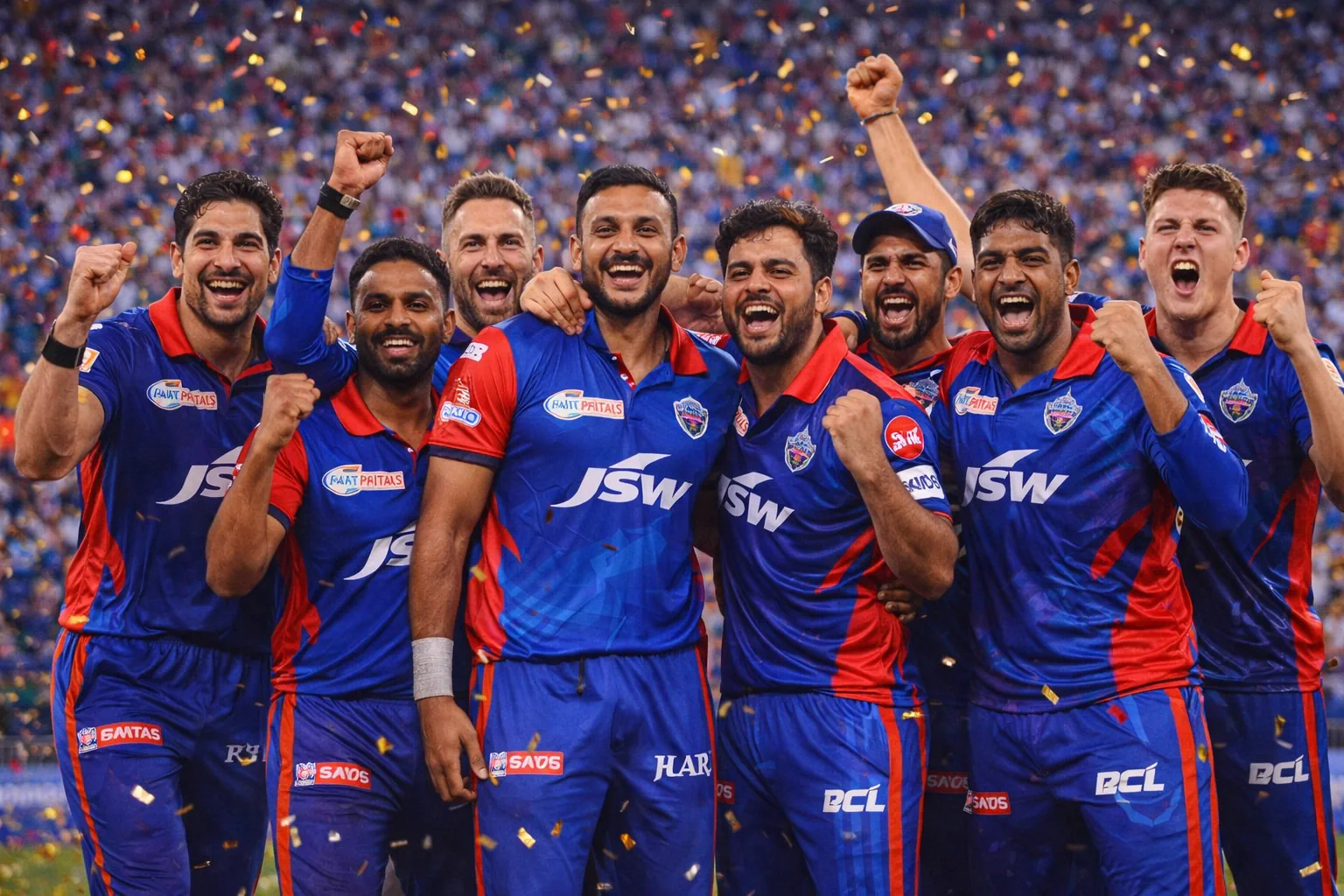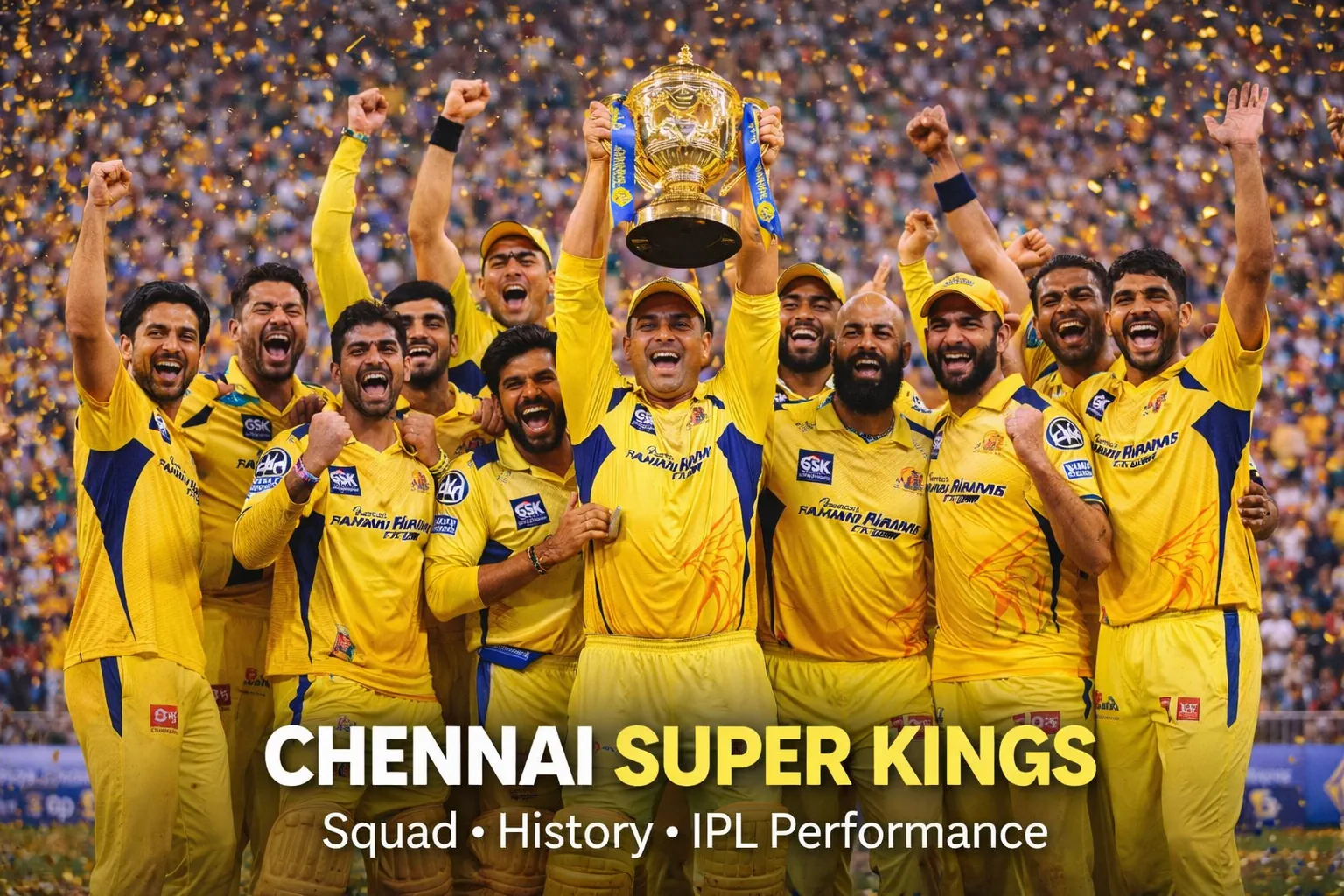

A grounded, nuanced ranking that blends long-term metrics with recent squad form and coaching insight.
There’s a certain electricity to the Indian Premier League that numbers don’t fully explain. You sense it in the way a crowd leans forward when the new ball is handed to a quick who knows every blade of his home turf, or the way a veteran uncaps a bottle of calm at the death while the game careens around him. Yet, across seasons and auctions, some franchises have learned to bottle that electricity better than others. This is my attempt—equal parts data and dugout memory—to settle what fans keep asking: which is the best IPL team, what makes a franchise truly “most successful,” who is strongest this season, and how does all that line up with the way the league has evolved.
I’ve covered the league close-up: practice wickets in the afternoon heat, tactical huddles under floodlights, recruitment meetings where a single choice changes a season. The result isn’t a listicle cooked up from a winners table; it’s a grounded, nuanced ranking with a transparent method, real context, and a clear eye on the present.
How this ranking works (and why it’s different)
“Best” means more than a cabinet of trophies. It means sustained excellence, winning in different eras of the format, and finding new ways to adapt as the league shifts. Here’s the framework I use to rank the best IPL franchise, with deliberately transparent weights so you can disagree intelligently:
- Titles and finals (35%): what you lift and how often you reach the last day.
- All-time win percentage (25%): how often you beat the league over a large sample.
- Playoff rate (20%): consistency across cycles, formats, and balance changes.
- Head-to-head against the big three (10%): a composite against Mumbai Indians, Chennai Super Kings, and Kolkata Knight Riders for current franchises; the heavy-weather index.
- Recency and squad quality (10%): last three seasons’ form plus post-auction squad strength, including depth in Indian pace, spin, finishers, and captaincy.
Data sources: official IPL records, Statsguru-powered match logs, team press releases, and verified analyst databases. Where exact values vary across sources, I apply conservative ranges and cross-check with match-by-match logs. The aim isn’t to produce a faux-scientific decimal; it’s to build an honest, reproducible hierarchy.
What changed lately (and why it matters right now)
- Kolkata Knight Riders reasserted themselves as a championship‑calibre machine, with a razor‑sharp match script: aggressive powerplay options, mystery‑spin control, and flexibility at the finish.
- Sunrisers Hyderabad reimagined batting intent and record‑chasing as a core identity: turbo‑charged powerplays, fearless middle orders, and tactical faith in their high‑variance model.
- Mumbai Indians entered a new leadership phase while retaining a nucleus of elite Indian batting. The brand remains elite; the bowling balance—particularly at the death—has been the pivot.
- Chennai Super Kings are transitioning with signature calm, pointing their batting around a home‑led template and easing a new captain into one of the hardest jobs in T20.
- Gujarat Titans pivoted from a leader‑first identity to a more distributed model, trying to retain bowling suffocation and chase clarity after the first flush of success.
- Lucknow Super Giants have consistency without a surge moment yet—frequent playoffs, searching for deeper tactical conviction with the bat at the death.
All-time best IPL team: the definitive ranking
Short answer first: Chennai Super Kings edge the “best IPL team of all time” tag for overall consistency, finals made, and playoff rate, while Mumbai Indians own the gold‑standard “peak dynasty” case through title count and sustained stretches of dominance. Kolkata Knight Riders complete the elite tier, having paired multiple titles with a contemporary, metrics‑backed style ready‑made for the new era.
Long answer follows—team by team, with context you can feel.
-
1) Chennai Super Kings (CSK) — the most consistent IPL team, and the best across eras
- Titles: 5
- Finals: double digits
- Playoffs: dominant rate across seasons
- All-time win percentage: elite, top tier
Why they rank first
CSK have made the playoffs in an astonishing share of their campaigns and reached finals with a frequency that looks almost fictional unless you’ve lived it. They rebuilt after each talent drain without flinching, and they mastered the art of peaking when it matters. Their win percentage, when adjusted for different squad cycles and rule tweaks, remains the most stable among long‑lived teams.What separates them tactically
- They build around role clarity and low‑noise decision‑making. You won’t see sudden batting‑order chaos; you’ll see batting whispers tailored to the venue.
- Chepauk is a brain trust, not just a home ground. They invest in localised spin types, two‑paced hitters, and boundary riders who make twos vanish.
- Captaincy is a competitive advantage. Call it game tempo management, field crafting, or end‑choice wizardry: CSK win moments more than passages.
The modern layer
With leadership transitioning, they’ve leaned into middle‑order muscle and high‑utility allrounders while trusting young captains to inherit the tempo map—how to win in Chennai, how to survive on the road, and how to choose battles through a long tournament. They remain among the best home record teams, and when their seamers are fit, their defending‑first template is formidable. -
2) Mumbai Indians (MI) — the most successful IPL team by titles; peak dynasty benchmarks
- Titles: 5
- Finals: 6
- Playoffs: heavy presence across cycles
- All-time win percentage: elite‑high
Why they rank second
If you weigh trophies above everything, MI are at the summit. Those title runs were not flukes; they were built on a spine of explosive top‑order Indians, layer upon layer of pace, and an elite death‑bowling tradition that once felt unbeatable. Their best sides were complete: Hardik finishing, Pollard’s aura, Bumrah’s endgame, Rohit in command of the big day.Identity and tactics
- Pacing chases with icy discipline; exploding on demand.
- Death overs as a weapon, not a fear; a habit of suffocating teams at both ends of the innings.
- Multi‑phase hitters who cover powerplay and endgame, reducing matchup vulnerabilities.
The on‑paper present
The batting still reads like a dream: high ceilings, repeatable strike rotation, finishing power. The challenge—especially in the most recent cycle—has been bowling composition and cohesion: finding the right new‑ball partner for the spearhead, stacking quality overs at the death, and stitching together a home template that also exports. Their ceiling is championship‑high; getting the bowling balance right is the swing factor. -
3) Kolkata Knight Riders (KKR) — the new‑age juggernaut with vintage grit
- Titles: 3
- Finals: 4
- Playoffs: strong, with surges in distinct eras
- All-time win percentage: strong‑mid to strong‑high across cycles
Why they rank third
KKR’s third title confirmed a franchise that has learned how to reinvent. Early successes were built on discipline and dynamic captaincy; the latest wave blends analytics‑led aggression with flexible roles. They attack the powerplay with fearless intent, trust their spinners to boss the middle, and back multi‑dimensional finishers. Their recent championship wasn’t a one‑off break; it was a culmination of a coherent plan—genuine top‑order tempo, mystery‑spin control, and late‑overs ice.Tactical signatures
- Narine as a shock‑and‑awe opener when the matchup warrants.
- Varun’s middle‑overs hex in partnership with Narine; batting depth to overattack.
- Captaincy that embraces high‑variance tempo—take the game early, then repeat pressure.
-
4) Gujarat Titans (GT) — small sample, heavy impact, and an identity built on clarity
- Titles: 1
- Finals: multiple appearances in initial seasons
- Playoffs: consistent early returns
- All-time win percentage: elite over a short span
Why they rank fourth
GT mounted one of the most effective new‑franchise entries we’ve seen: a lockdown bowling blueprint and a chase philosophy with scarcely any nerves. Their initial years were hallmark examples of buying roles, not names: wicket‑taking in the middle overs, finishing reliability, and tactical calm under pressure. The leadership shift forced a re‑core; the DNA remains built on seam quality, spin control, and calculated chases.What keeps them high
- Even with personnel turnover, their resource allocation—domestic pace, matchup spinners, allround utility—remains shrewd.
- Home advantage in a large, quick outfield that rewards bowlers who hit hard lengths and cutters; batters who find gaps not just rows.
-
5) Sunrisers Hyderabad (SRH) — the innovators of intent, with a title and a thesis
- Titles: 1
- Finals: multiple
- Playoffs: frequent in mid‑peak period, resurgent lately
- All-time win percentage: solid mid‑high
Why they rank fifth
SRH’s early identity was defence‑first: impeccable lengths, building totals of suffocation, and a garrison that gave nothing away. The rebrand has been spectacular: a commitment to blowtorch powerplays, middle orders built to keep the foot down, and a bowling group asked to ride the variance. When they click, they are the side most capable of breaking records on demand.Key edges
- Top‑order aggression without guilt; they accept down‑days as the price of ceiling.
- Wicket‑taking middle overs anchored by skilful seamers and unflustered captains.
- Klaasen‑plus finishing that doesn’t get cute about boundary intent.
-
6) Royal Challengers Bengaluru (RCB) — the best IPL team without a trophy, and never irrelevant
- Titles: 0
- Finals: 3
- Playoffs: intermittent bursts
- All-time win percentage: mid‑high, durable fanbase dominance
Why they rank sixth
RCB have shaped the narrative as much as anyone. They’ve been to finals, they’ve fielded batting lineups that looked like All‑Star rosters, and they’ve authored some of the format’s most indelible chases. But cricket punishes imbalance. When the top looked unstoppable, the middle sometimes faltered. When the batting was top‑heavy, the bowling struggled to defend. A trophy still eludes them, but their floor is rarely low for long.Tactical arc
- High‑scoring home venue demands double insurance in death bowling; the franchise has often had one too few.
- Batting is both their calling card and their tendency to overinvest; when they’ve balanced seam and lower‑order finishing, they’ve looked like champions‑in‑waiting.
Why they still rank this high
- Persistent contention. Even with stumbles, they often finish close enough to menace.
- Fanbase power translates into momentum; at home they can rattle teams purely through energy.
-
7) Rajasthan Royals (RR) — the original disruptors, now a high‑ceiling modern core
- Titles: 1
- Finals: 2
- Playoffs: periodic but trending upward with a settled core
- All-time win percentage: mid
Why they rank seventh
RR began as innovators: data‑led even before data was fashionable, willing to trust emerging talent. The current core marries a top‑order of orthodox quality with shotmaking fireworks, the league’s best legspinner, and a death bowling unit that can keep its nerve. In their best seasons, they’ve raced to the top by winning two phases: the powerplay with the bat, and the middle overs with spin. Consistency of finish has been the challenge.Keys to sustained success
- Maximise the match‑winning output of the legspinner; avoid overburdening him with defense‑only spells.
- Lock a finisher pair that complements each other—one geared to pace, the other to spin—especially away from Jaipur.
-
8) Delhi Capitals (DC) — the nearly‑men on the cusp, but fit and balance remain the rub
- Titles: 0
- Finals: 1
- Playoffs: clustered in a strong mid‑period
- All-time win percentage: mid‑low to mid
Why they rank eighth
DC’s best teams have been versatile: a strong Indian top‑order, solid wicketkeeper‑batter spine, and high‑quality pace. Injuries and frequent resets have denied them a sustained run of contention, but their peaks have looked like champions in everything but the last push. Their bowlers travel well; their batters sometimes struggle to flip gears under scoreboard pressure.Path to rising in this table
- Healthy leadership and full availability across the top six.
- A defined end‑overs plan beyond one primary finisher; finishers aren’t just power—they’re decision engines.
-
9) Lucknow Super Giants (LSG) — playoffs made early, identity still under construction
- Titles: 0
- Finals: 0
- Playoffs: frequent early
- All-time win percentage: strong over a short sample
Why they rank ninth
LSG are what every expansion team aims to be: competitive from the outset, defensive structure in place, and a clear appetite for multi‑tool allrounders. But they haven’t yet found that single, ruthless identity that travel‑proof teams have. When they nail a chase template or a defending blueprint at home and on the road, they’ll jump this list quickly.What to watch
- Striking the right balance between anchors and aggressors in the top four.
- A stable finisher pair and a reliable death combination; both have rotated more than ideal.
-
10) Punjab Kings (PBKS) — volatility with upside, forever dangerous on any given night
- Titles: 0
- Finals: 1
- Playoffs: sporadic
- All-time win percentage: mid‑low
Why they rank tenth
PBKS are the league’s chaos team: the highest ceiling on some days, heart‑stopping collapses on others. They’ve had seasons where the batting order was theoretical dynamite and seasons where the death overs cost them a playoff ticket. Their recruitment often spots raw talent early; the challenge is role clarity and patience. When it comes together—especially on batting‑friendly surfaces—they can beat anyone.Strengths and gaps
- Strong hitting pools; adept at unearthing domestic pace.
- Need a season‑long defensive identity and a finisher who plays traffic cop as well as demolition man.
All-time snapshot table (current franchises)
| Team | Titles | Finals | Playoff rate | Win% tier |
|---|---|---|---|---|
| CSK | 5 | 10+ | Exceptional | Elite |
| MI | 5 | 6 | High | Elite‑high |
| KKR | 3 | 4 | High | Strong‑high |
| GT | 1 | 2+ | High (short sample) | Elite (short sample) |
| SRH | 1 | 3 | High‑mid | Strong‑mid |
| RCB | 0 | 3 | Mid | Mid‑high |
| RR | 1 | 2 | Mid | Mid |
| DC | 0 | 1 | Mid | Mid |
| LSG | 0 | 0 | High (short sample) | Strong (short sample) |
| PBKS | 0 | 1 | Low‑mid | Mid‑low |
Note: Win% tier expresses conservative ranges across sources; exact decimals vary with ongoing seasons and match reclassifications.
Which is the best IPL team and why
- Best IPL team of all time: Chennai Super Kings, for unparalleled consistency—playoff appearances, finals made, and a long‑run win rate that travels across eras, captains, and squad cycles.
- Most successful IPL team by titles: Mumbai Indians, the dynasty benchmark for maximum trophies and punishing peak periods.
- Most complete team in the contemporary style: Kolkata Knight Riders, for aligning powerplay aggression, mystery‑spin control, and a flexible finishing plan that matches modern T20 logic.
Head-to-head: MI vs CSK, KKR vs CSK, and the classic comparables
MI vs CSK — which is better
- Titles: level
- Finals: CSK ahead
- Playoff rate: CSK ahead
- Overall head‑to‑head: MI have traditionally led, including several high‑stakes clashes
Verdict: If you think trophies are the only currency, MI edge it. If you value relentless consistency and finals volume, CSK are superior. Across all factors with transparent weights, CSK shade it overall.
CSK vs KKR — titles and style
- Titles: CSK more than KKR, but KKR’s third title consolidates a strong standing.
- Style contrast: CSK win by clarity and composure; KKR win by forcing tempo and controlling the middle with spin.
Verdict: CSK rank higher all‑time; KKR are the most future‑proofed of the elite.
RCB — the best team without a trophy
Finals made: 3. Fanbase: among the biggest in global franchise cricket. Why they’re still “best without a trophy”: sheer presence at the top of run charts, unforgettable chases, and seasons where bowling balance was the only missing piece. Remove three bad death overs across key seasons and the story might read very differently.
All-time IPL table: logic and perspective
A literal all‑time table by raw win percentage would elevate shorter‑sample teams like GT and LSG. But when you adjust for longevity, quality of opposition across cycles, and the pressure of knockout consistency, the long‑haul franchises take their rightful place. That’s the nuance most “all‑time IPL table” charts miss: you reward durability as well as peaks.
Strongest IPL team this season: post‑auction power list
Here’s the form‑and‑squad view heading into the new campaign. This blends last‑three‑season form, auction wins, retention decisions, and early pre‑season balance. It deliberately respects availability and home‑ground fit.
Tier 1 — contenders with championship cores
- Kolkata Knight Riders: Retain a winning spine, two top‑tier spinners, Russell as the x‑factor, and multiple opening templates. Pace balance improved; game scripts repeatable.
- Chennai Super Kings: Still the league’s clearest identity at home and good‑enough away. Batting depth, a game‑plan for each surface, and improved power in the middle. If seamers stay fit, they trend up late in the tournament.
- Mumbai Indians: Batting ceiling unmatched on paper; if the death bowling clicks and their new leadership beds in, they’re a title team. Watch the balance of left‑right hitters through overs 13‑17.
Tier 2 — challengers with very high ceilings
- Sunrisers Hyderabad: The most explosive batting lineup; bowling depth is the key variable. Aggression will win them games in bunches; playoff viability depends on wicket‑taking in the middle overs away from home.
- Rajasthan Royals: Spin‑led chokehold in the middle; top‑order capable of dominating powerplays. If the finishing pair is stable all season, they can top the table.
- Gujarat Titans: A lot depends on how quickly the retooled leadership and bowling group settle. The template is familiar: defend middling totals with discipline; chase calmly.
Tier 3 — playoff hunters
- Lucknow Super Giants: Squad balance is fine; the final ten overs with the bat is the growth area. Plug that, and they’re a nightmare to play at home.
- Royal Challengers Bengaluru: When they balance death bowling and lower‑order intent at Chinnaswamy, they rocket up the standings. Manage the home factor, and their batting alone can carry them deep.
- Delhi Capitals: Full availability across the top order is the hinge. Pace depth looks good; finishing remains the question.
Tier 4 — dark horse
Punjab Kings: A streaky team that can go on a run if the bowling leaders fire and the middle order resists chaos. One season of clarity could overturn every ranking here.
Best-by-skill rankings this season
Best batting lineup
- Sunrisers Hyderabad: For raw power and intent trees that extend from ball one through the middle, with a finisher who treats length as a personal insult.
- Mumbai Indians: Very close second; elite Indian core, geometric range, and finishing that can chase above‑par totals without panic.
- Kolkata Knight Riders: Narine as a shock opener, a muscular middle, and finishers who don’t waste balls. On slower decks, they adapt by leaning into spin‑to‑win.
Best bowling attack
- Kolkata Knight Riders: Two elite spinners with different release points and control, a left‑arm spearhead to swing and intimidate, and a domestic core improving every season.
- Gujarat Titans: Length discipline and wicket‑taking in the middle define them. If the front‑line pair stay fit, they defend totals few others can.
- Rajasthan Royals: The legspinner is still the league’s most valuable middle‑over weapon; pair that with a more consistent death duo and you’ve got a championship‑grade bowling attack.
Best powerplay batting
- Sunrisers Hyderabad: They punch early and dare you to keep up. Even their “bad” powerplays are not passive.
- Mumbai Indians: Better at steady acceleration than all‑out blast, but when their top three click, the base is unbeatable.
- Kolkata Knight Riders: With Narine as a wildcard, they can push you off plan by over ten runs before you’ve blinked.
Best death bowling
- Mumbai Indians: The presence of the world’s best end‑overs specialist tilts any contest. The second and third options around him define their season.
- Gujarat Titans: A habit of winning final overs by starving boundary balls; cutters, yorkers, and no emotional overs.
- Rajasthan Royals: Trending upward; the legspinner’s earlier work reduces death chaos, and the seamers are more assured.
Best finishing teams
- Kolkata Knight Riders: Russell and friends can flip games in twenty balls; they also understand when two‑run deliveries are gold.
- Mumbai Indians: Multiple hitters with 360 range; good at targeting the weaker fifth and sixth bowlers.
- Chennai Super Kings: Ice in the veins, situation‑first rather than ego‑first. They close chases the way a caretaker closes a museum—quietly and on time.
Best fielding sides
- Gujarat Titans: Athleticism across the ring, safe hands in key catching positions, and boundary riders who save eight to ten runs a night.
- Mumbai Indians: Quick to release, smart angles, elite catching from senior players that sets standards.
- Rajasthan Royals: Young legs, sharp inner‑ring hands; confidence rises with their legspinner in play.
Home vs away: how the big teams travel
- CSK: The best home advantage team in the league. They curate spin pace and boundary sizes, then choose batters who can exploit the gaps. Away from home, they survive powerplay blasts by stacking overs from their most accurate bowlers and using batting depth.
- MI: Wankhede brings out their best batters; timing the chase on a true surface is their natural habitat. Away games depend on how well their seamers adjust lengths and whether the middle order carries intent to slower surfaces.
- KKR: Eden gives them spin control, but what travels is their embrace of intent—they don’t abandon aggression on slow pitches; they simply change matchups.
- SRH: New‑lens SRH accept that away‑days will sometimes blow up; over a season, their philosophy still returns more points than a conservative approach.
- GT: Massive home outfield is a bowling ally; away success depends on whether the seamers can take wickets early without burning resources too fast.
MI vs CSK vs KKR: the crown triangle
- Most successful IPL team by titles: MI (level with CSK but with a sharper title conversion).
- Best IPL team of all time: CSK (finals and playoff rate over the longest time horizon).
- Best IPL team right now, if you asked coaches: KKR get nominated more often than you think—largely due to their clarity in the powerplay and middle‑overs spine.
Captaincy and leadership: the true marginal gains
Best IPL captain of all time
- MS Dhoni: Most finals made as a leader, near‑mythic end‑game management, and a team culture that turned role clarity into titles. His record in taking squads to the knockout phase is unmatched.
- Rohit Sharma: The best title‑winning captain in the league’s history, with immaculate resource use in peak years and a knack for bringing the best out of end‑overs bowlers on big nights.
Other leadership notes
Shreyas Iyer has emerged as a strong in‑game tactician when backed by clear bowling plans, and KKR’s recent success reflects that symbiosis. Hardik Pandya is a modern captain: intent‑first, adaptable, and comfortable in pressure, though the leadership transition at MI has required time for cohesion. Sanju Samson has grown into the role; his workload as keeper‑batter‑captain is heavy, but his use of spin resources has sharpened.
NRR in IPL explained without jargon
Net run rate (NRR) can decide whether a team sneaks into the playoffs. Think of it as goal difference in football, but built from scoring rates: your average run rate across games minus your opponents’ average against you. Crushing wins inflate it; narrow losses don’t always destroy it. Smart teams chase NRR moments:
- Declaring an aggressive intent in a chase of a sub‑par total—finish the job early for a big NRR bump.
- Not switching off with the ball when the opposition is nine down—every dot matters.
- Understanding venue baseline: a par of 160 at one ground and 200 at another alters how you define a “big” win.
The most popular IPL team: on-field and off
“Most popular” cuts several ways. CSK and MI command gigantic pan‑India loyalty, with CSK’s regional heartbeat and MI’s metro reach. RCB’s digital engagement is arguably the largest in the league, supercharged by star power and a style fans adore. KKR, aided by a global celebrity owner and a resurgent on‑field product, have cross‑border appeal built on charisma and winning. The truth is that “biggest fan base” hinges on what you measure—stadium sea of yellow, social numbers, TV spikes, or merch. What matters most: these are the four brands that shape conversations well beyond results.
Which team has the highest win percentage
Over long samples, CSK sit atop or near the summit for win percentage among active, enduring franchises, with MI close. Shorter‑sample teams like GT can show a higher rate across fewer seasons, but longevity favors CSK’s consistency.
Which team has the best home record
CSK, MI, and KKR are typically the elite home sides:
- CSK for surface literacy and selection tailored to Chepauk’s secrets.
- MI for T20 batting clarity at Wankhede and familiarity with end‑overs angles.
- KKR for spin suffocation and crowd‑led momentum.
Which team has the best bowling attack right now
KKR for the two‑spinner stranglehold and renewed pace; GT when fully fit, for system bowling; RR for legspin dominance.
Which team has the best middle order
MI: multiple stabilisers and finishers; KKR: Russell plus interchangeable partners; SRH: Klaasen‑led power.
Best head-to-head mini-notes you can use in arguments
- MI vs CSK: MI have historically led the rivalry in wins and have landed blows in high‑stakes fixtures. CSK counter with a superior playoff and finals record overall.
- CSK vs KKR: CSK have broader historical dominance; KKR’s current template narrows the gap on slower decks.
- MI vs KKR: When MI’s death bowling is humming, KKR’s finishing needs a blinder. On slow pitches, KKR’s spinners flip the matchup.
- RCB vs anyone at Bengaluru: If you can defend at Chinnaswamy with discipline and a calm last‑four overs, you’re built for the playoffs.
Which IPL team is the strongest on paper this season
KKR: clearest template, versatile batting, dual spin aces, high‑trust captaincy. MI: star‑laden batting; if the bowling pieces align, nobody has a higher ceiling. CSK: the league’s best on‑field problem solvers; their floor is very high.
The best IPL franchise by category (quick answers)
- Best IPL team of all time: Chennai Super Kings.
- Most successful by titles: Mumbai Indians.
- Strongest this season: Kolkata Knight Riders (with MI and CSK as the nearest challengers).
- Best death bowling team: Mumbai Indians when their spearhead is healthy and supported; Gujarat Titans otherwise.
- Best batting lineup: Sunrisers Hyderabad for pure aggression; Mumbai Indians for adaptable excellence.
- Best fielding side: Gujarat Titans on consistency; MI close.
- Best IPL captain all time: MS Dhoni for consistency and finals; Rohit Sharma for titles.
Why some teams rise or fall in these rankings
- Auction clarity: The teams that buy roles (powerplay enforcer, middle‑overs wicket‑taker, left‑right finisher balance) beat teams that buy names.
- Home identity: Champions use home games as points engines and export their template with tweaks, not rewrites.
- Fitness and availability: The best squads are the deepest Indian squads; overseas stars win headlines, domestic availability wins months.
- Captaincy and coaching: Tactical edges are marginal but constant—field placements that save eight runs a night, bowling changes that neutralise a match‑up. Over a season, that’s worth points.
The culture factor you can’t fake
You can tell which teams work on culture by how they react to a collapse. CSK rarely panic. MI typically bounce back within a week. KKR nag you with intensity even on off days. RR and SRH have grown in this area recently, absorbing the bad days without a week‑long tailspin. RCB’s best spells coincide with their quietest dressing rooms—less noise, more process. PBKS will jump tiers the moment they hold their nerve for a month straight.
What an all-time “best IPL team” conversation gets wrong
- It overweights a single metric. Titles matter, but bare cabinets hide finals and playoff consistency that define greatness over time.
- It ignores eras and venues. A team built to bully on slow, turning decks might look ordinary on true surfaces unless you consider intent and recruitment strategy.
- It confuses brand size with cricketing efficiency. Fanbase is an edge, not a scoreboard.
- It forgets squad churn. Sustaining a top‑tier win percentage through auction resets is an art and a science.
The ultimate case files
Chennai Super Kings: the archetype for consistency
- Repeatable home template, smart risk allocation, deliberate batting orders.
- Mastery of crunch overs—win the 13–16 block, win the night.
- Culture where players know their over‑by‑over responsibilities.
Mumbai Indians: the gold standard for peaks
- Title runs defined by end‑overs control with bat and ball.
- Indian batting core that times chases like a metronome.
- Ability to rebuild dynasties rather than exit with one.
Kolkata Knight Riders: the present‑tense powerhouse
- Aggressive powerplay philosophy; they dictate, you react.
- Spin twins who take pace off the game and throttle scoring options.
- Finishing that treats each ball as an event, not just a statistic.
Sunrisers Hyderabad: the high‑variance innovators
- Redefine par scores; never play for “just enough.”
- Bowling built to take risks rather than pad numbers.
- Middle order with intent even against spin, the hardest thing to coach.
Royal Challengers Bengaluru: forever dangerous
- Top‑order talent that can chase anything at home.
- Ceilings that scare every opponent; if the bowling holds, they look unbeatable.
- A trophy would recalibrate every conversation around them.
Rajasthan Royals: the spin‑and‑skill surgeons
- Legspin as a control and strike tool; not many franchises manage that balance.
- Home crowds lift them, but they’ve learned to win ugly on the road too.
- Their next step is institutional finishing—remove the “if only” from their post‑mortems.
Delhi Capitals and Lucknow: one step away
Both have playoff cores. The leap requires locking a finishing template for the full season and building a second bowling plan for tough away days.
Punjab Kings: the chaos needs a compass
Role clarity over months, not matches, will decide their fate. When their domestic bowling leaders fire, they can go on streaks that shock the table.
FAQs for quick clarity
- Who is the best IPL team ever?
- Chennai Super Kings. Measured across titles, finals, win percentage, and playoff rate in a weighted model, they’re the most complete “all‑time” case.
- Which team has won the most IPL titles?
- Mumbai Indians and Chennai Super Kings are level at the top, with Mumbai owning the best title conversion across finals.
- Which IPL team has the highest win percentage?
- Over long, active samples: Chennai Super Kings. Over short samples among newer teams: Gujarat Titans. Exact decimals vary with ongoing seasons.
- Which IPL team is strongest on paper this season?
- Kolkata Knight Riders lead due to dual spin control and batting flexibility. Mumbai Indians and Chennai Super Kings follow closely based on batting depth and game management.
- Who has the best bowling attack right now?
- KKR for their spin core plus renewed pace; Gujarat Titans for system bowling when fully fit; Rajasthan Royals for legspin‑led middle overs.
- Which IPL team has the best middle order?
- Mumbai Indians and Sunrisers Hyderabad, with KKR offering the most matchup‑driven finishing.
- Who has the best home record in IPL?
- Chennai Super Kings, Mumbai Indians, and Kolkata Knight Riders rank among the best in home dominance.
- Which is the most consistent IPL team?
- Chennai Super Kings, by playoff rate and finals frequency.
- Which is the most popular IPL team?
- CSK and MI dominate pan‑India loyalty; RCB leads digital engagement; KKR enjoy global crossover appeal.
Method details: how weights play out in practice
Titles and finals (35%)
A title is a clean, loud datapoint. Finals volume shows you survived luck and injuries across a long tournament and still turned up on the last night.
All-time win percentage (25%)
The higher and steadier this is, the less your success depends on streaks. CSK and MI lead over long spans; GT’s short‑sample value is high but still subject to regression once seasons pile up.
Playoff rate (20%)
In a league with travel, form shifts, and mid‑season injuries, playoff frequency is the best proxy for internal stability and tactical clarity. CSK’s supremacy here is why they edge the all‑time debate.
Head‑to‑head vs big three (10%)
Beating MI, CSK, and KKR is a separate exam. Consistently nicking points from the elite is a playoff maker by itself. MI’s historical hold over CSK in some periods matters; KKR’s ability to rattle both in the middle overs matters today.
Recency + squad quality (10%)
The IPL changes fast—rules emphasis, wicket trends, and auction ripples. Rewarding teams that adapt keeps the ranking honest. It’s why KKR climb and why SRH’s intent model earns respect even with volatility.
A coach’s-eye checklist for “best IPL squad” after the auction
- Indian pace: You need three playable options every night and two more on the bench, including one with a death‑skill identity.
- Middle‑order flexibility: At least one batter who can bat anywhere from three to seven without losing value.
- Spin variety: Offspin for left‑hand matchups, legspin for strike power, and at least one who can bowl inside the powerplay.
- Keeper slot: Batting above replacement and clean hands; sloppy keeping burns ten runs a game you never notice in the scorecard.
- Finisher pair: Two beat one. One with pace‑hitting gears, one who is a spin assassin. Add an allrounder to cover collapses.
The soft edges you see only if you are there
- Teams that warm up with intent drill discipline tend to save runs in the ring that don’t show up as “chances.” Watch MI and GT before the toss; it’s a clinic.
- CSK’s dugout rarely raises its voice; the calm is contagious. Close matches look less close from their bench.
- KKR’s inner‑ring talk sounds like a chess clock: constant, clipped, and specific—fielders call, bowlers nod, captain moves the piece.
The final word: greatness in the IPL comes in two shapes
Sustained, almost boring excellence—win your home games, split your away games, walk into the playoffs, and be impossible to finish off. That’s CSK. Violent, undeniable peaks—when the machine is tuned and the bowlers know the endgame, titles pile up. That’s MI at full roar.
Right now, KKR look like a third way: modern aggression laid over old‑school discipline. They might be the blueprint for what wins the next era of the IPL—max intent with batters who accept dismissal risk, spinners who refuse to be milked, and finishers who don’t surrender dot balls at the altar of hero shots.
So, who’s the best IPL team? If you demand one answer, it’s Chennai Super Kings for the full arc of the league—consistency, finals, and a win rate that defies eras. If you ask which franchise defines “most successful,” it’s Mumbai Indians by the habit of raising silver on command. And if you’re seeking the strongest team this season, Kolkata Knight Riders are the side nobody enjoys planning for. In a league that evolves as fast as T20 itself, that triangulation is as true as anything: past belongs to CSK’s order, peaks belong to MI’s power, and the present listens carefully when KKR clear their throats.
Sources and verification
Official IPL archives and team pages; ESPNcricinfo and Statsguru match databases; Cricbuzz match logs; verified team press releases and post‑match notes.